


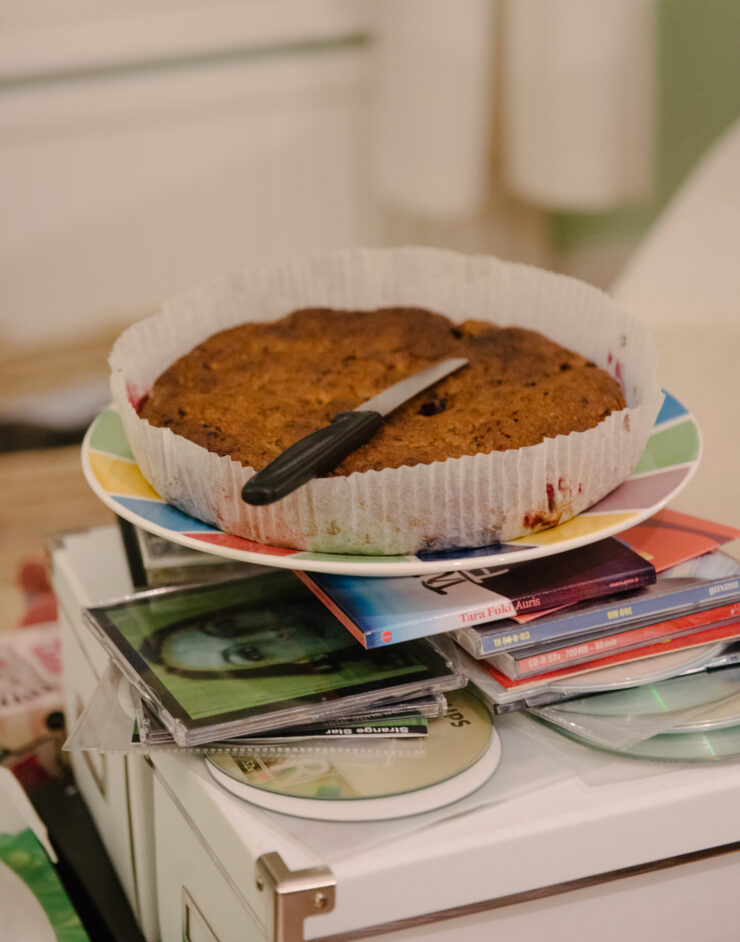
A collection of twelve stories highlighting the key emerging themes of the research from the experiences of both those that are 'new' to Europe and those that 'welcome' them.
Solidarity is expressed in different ways: sometimes a long-standing commitment and activism, others a fleeting instance of encounter and exchange. Solidarity represents the everyday and organised variety of attempts to cross the border and to initiate collaboration and conviviality between newcomers, activists, volunteers, citizens. Solidarity is necessary for countering insecurity and hostility in a new city. While EU border policies and controls have increasingly been tightened and militarised, solidarity campaigns and networks do make difference for newcomers, both during their journey and after their arrival in Europe. From providing shelter and food to creating possibilities for (digital) education and leisure, from running errands to helping with issues of translation, from listening to each other's stories to mobilising political support — solidarity can take many forms.
FILLING IN THE GAP
In all three cities, we encountered numerous initiatives and organisations aiming to support newcomers with managing dreadful and hostile bureaucracy, learning the city but also creating spaces for conviviality, learning and play: mobile schools, Arabic-speaking libraries, conversation groups, sharing bike schemes. Wherever the state fails to provide supportive services, civil society actors have stepped in to try to fill the gap, although what they are able to offer may still fall short of people’s actual needs.
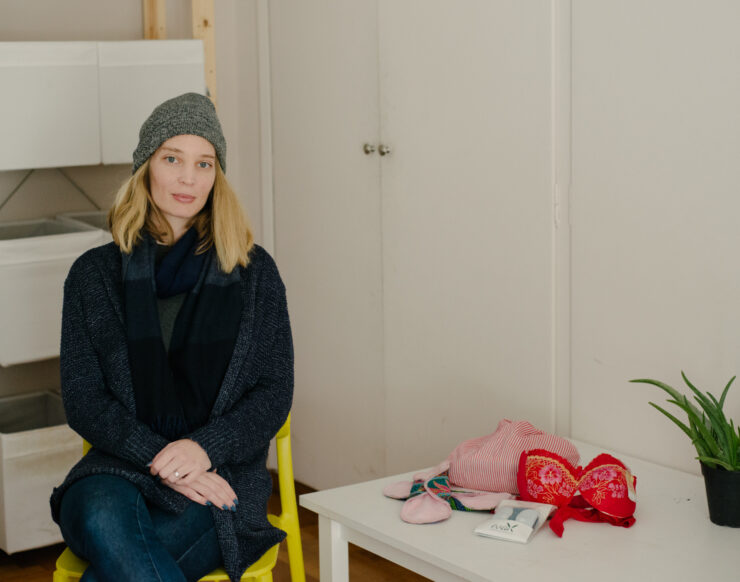
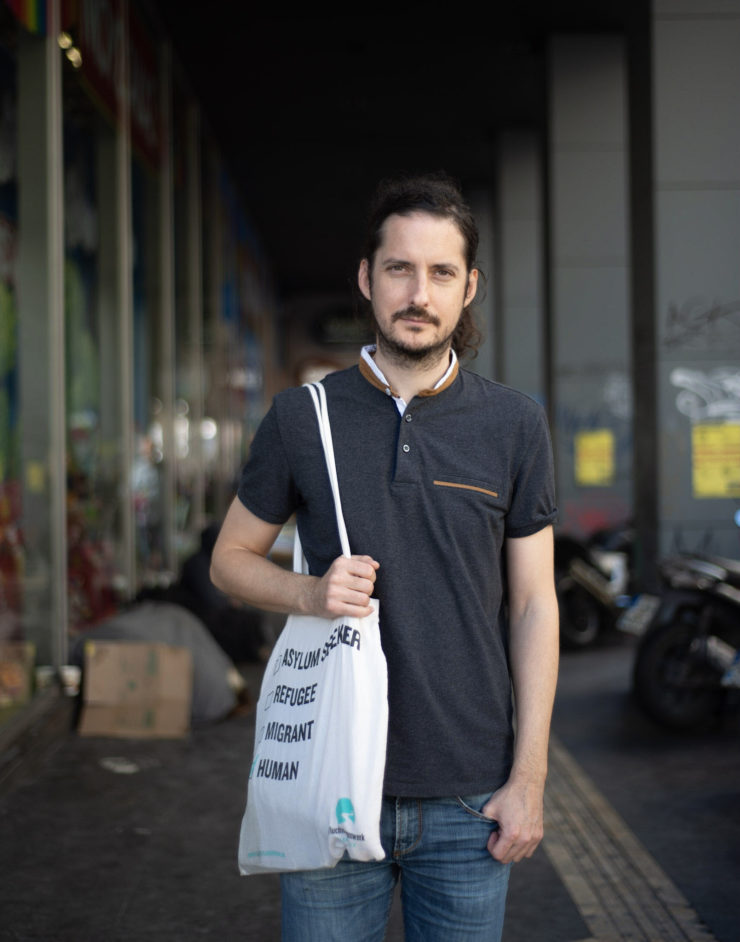
I think that showers are the first reason people come to us initially, not the sex education courses. We had to close down for 3 days last week so this morning was like a madhouse. Everyone wants to get on the shower list. I’m like, ‘calm down, we’ll make sure everyone has a shower, don’t worry.’ Between 20 to 30 people a day use our showers. There are a lot of men but also a lot of families with their children, so we need to factor that into the timings. Most of the people you see here have no access to showers or housing. They are homeless living up in the mountains. Or they live in squats without running water. This is a safe space to get menstrual products, and condoms and other things. I think what we do is so important: dignity through hygiene.
(Britanny, Athens)

I really appreciate this initiative, I do, but in truth, we need a different kind of support. We need jobs, studies... We spend our days doing nothing, without a routine. There are some language lessons we can go to but the quality is lacking. There is no coherence to the lessons. I went for an entire semester and then they said there was no second semester. Just like they cancelled it. This isn't good for us.
(Ahmed, Athens)
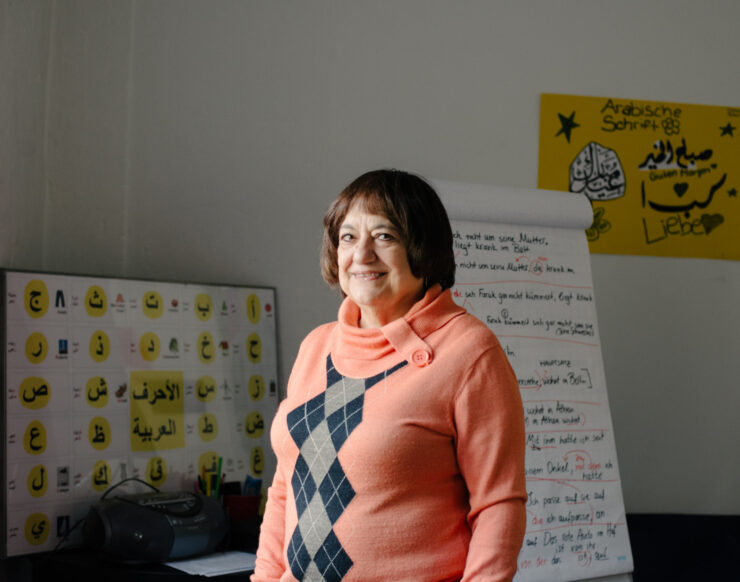
I started in 1978 by providing the first German language course for Arabic women. The families at that time were coming from the war in Lebanon and there was nothing available in Arabic. It quickly became very clear that language was not enough. They had many issues, many questions. So we started a self-help space for Arabic women, Al-Dar, where they could come together to be able to help each other. We don’t set the agenda, the community of women who come to our space do. We have these open meetings where women discuss issues close to them and the skills or resources they need. We then go about sourcing them. We’ve had typewriting classes, computer lessons, swimming lessons, homework support. Even group activities to learn how to ride a bike!
(Renée, Berlin)

In 2015 we grouped together under the Refugees Welcome banner with a focus on pushing the Council to resettle Syrian families in the borough. Ten or 12 of us have been meeting regularly in Lucy’s living room. It took time and a lot of effort, but we eventually got the Council to agree to house 10 Syrian families. The local council leader was always saying no, or blaming it on the Tory government, but I think she U-turned because we existed and we'd been making a lot of noise. We got thousands of people signing our petition and local media had covered it. We learnt much more about the immigration processes in the UK, and our work since then has refocused onto the hostile environment policies of Theresa May and her government especially the impact on vulnerable migrants and refugees in our local area. So we don’t work directly with refugees. Our mobilization is directed at the council and at changing discourses and policies around refugees.
(Haringey neighbours, London)
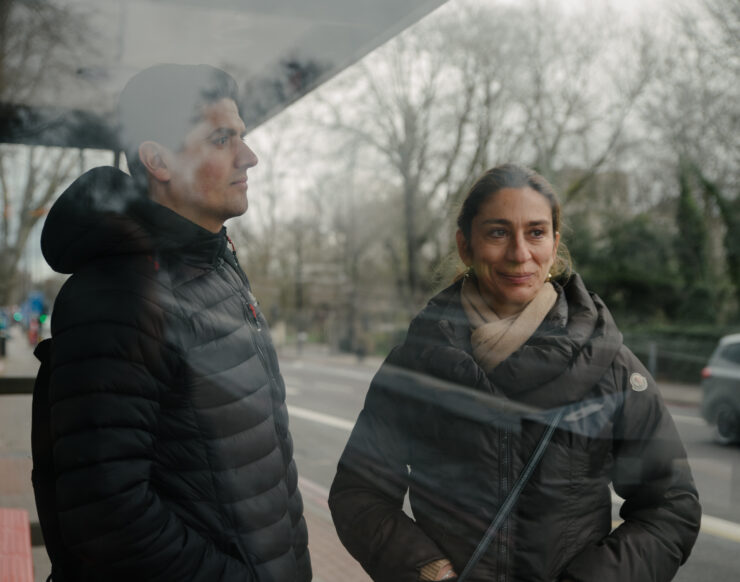
I have a corporate background, but my time volunteering in Greece completely changed me, and there’s no going back. I went there in 2015 to volunteer and I quickly realised that there were more than just Syrians — there were people from Iran, Afghanistan, Iraq, the Congo… — and that languages were really helpful, so my Farsi, even if it wasn’t perfect, could be very helpful. I ended up moving to Athens that summer, and by the time I left, in late 2017, I was working for MSF Doctors Without Borders, running a team of 12 interpreters. I decided for my own sanity that it was time for me to come back to the UK but I wanted to continue working in the sector. I had no connection to humanitarian work in the UK, so I volunteered for a lot of refugee organisations, doing case work for a while. I still do so even though I'm now working at a job I absolutely love at the Saïd Foundation. I think we’re doing good.
(Reza & Catherine, London)
SOLIDARITY AS A POLITICS OF CARE
Besides these more formalised expressions of solidarity, many newcomers also mentioned small, everyday acts which made them feel more welcome and less alone. Often times this came from within their own networks — through the mosque, from people they knew already, or other newcomers that had already been through the process and were willing to help. For others, solidarity bears a clearer, more explicitly political imperative, supporting the struggles in their home countries, and bridging connections in their new homes.
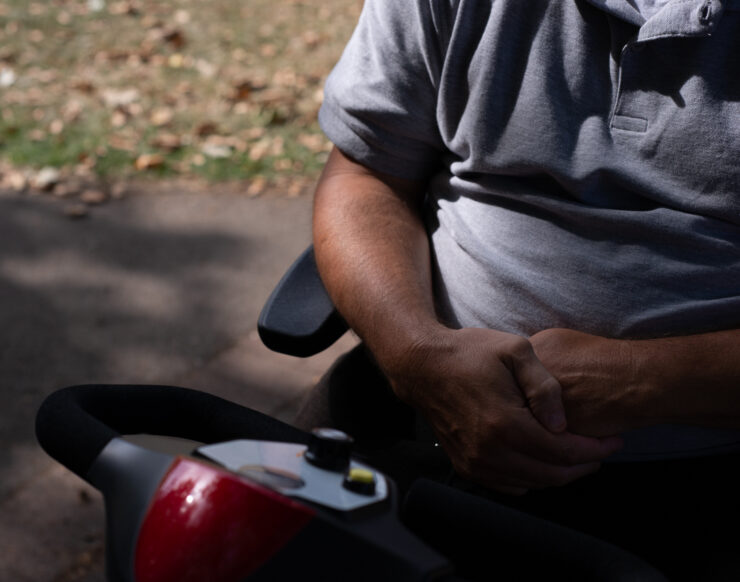
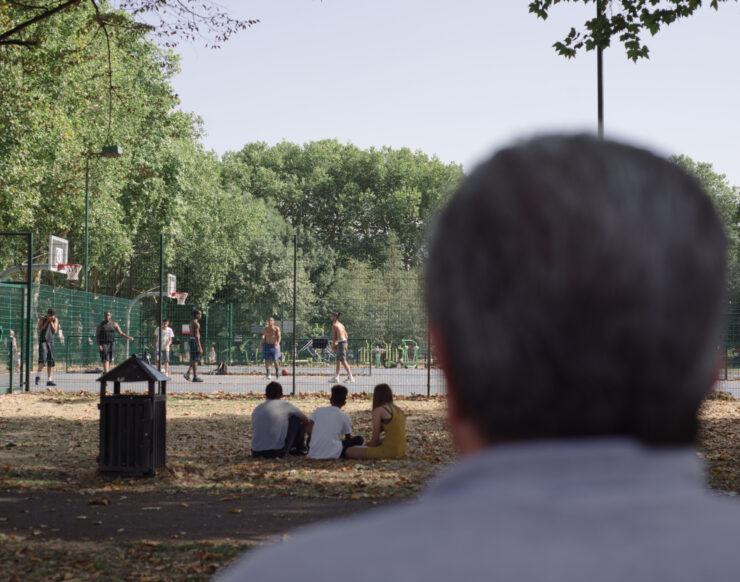
One day we were in the park, and my wife was really struggling to push my wheelchair. A Moroccan lady noticed that we were speaking Arabic, and introduced herself. A few days later she called and told us that her husband and his friends wanted to get me an electric wheelchair so it was easier to get around. It really gave me a new lease on life, and a break for my son and wife.
But I still feel shooting pains in my leg and I just find it so difficult to be happy. I take strong sedatives for the pain, which make me sleep for 14 hours. I feel bored at home, I come here, stroll around for a couple of hours. I appreciate it, the greenery, I like this park… but still, there is something that doesn’t go away. I used to be the one always helping people, and now look at me! I am grateful everyone is so helpful and nice, but the pity is difficult.
(Hadi, London)
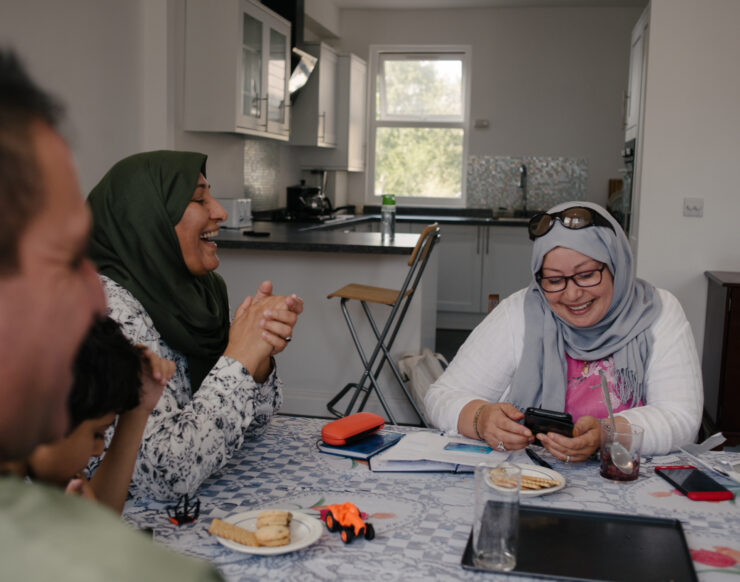
The date we arrived here is very memorable. In Lebanon sometimes we didn’t have food to eat. When we got here, there was a hot meal ready and the fridge was full of food. They had stocked it for us. Nothing can match that feeling of knowing you won’t go hungry. A case worker from the council met us at the airport with a translator and an ambulance for Zahra, and brought us home. She is the one that took Baker to enroll in school. She gave us the cards for the bus and taught us how to use them. She used to come every day, until she had registered us for everything, but now she only comes occasionally. But we get a lot of help from Sanaa now.
(Ra'ed, London)

One of the biggest obstacles here was finding a nursery for my son and understanding the system. I didn’t even know how to start searching, I knew nothing. A woman, Mary, used to come to Refugio in her spare time to help. She offered to babysit my son. Then she started contacting nurseries for us. She said she had been in Germany for ten years and had also struggled a lot when she first arrived. Eventually one nursery responded positively, and after an interview and confirming our income, they agreed to take him in as a student.
(Malaka, Berlin)

There are a lot of projects and funding in Germany to 'promote integration.' We wanted to help support the Syrian journalists and writers to write in Arabic, to address sensitive topics, topics that wouldn’t usually be addressed in Arabic. The focus on anti-Semitism is an example — we chose the topic and voted on it. I felt it was important as a collaboration between Germans and Arabs, because Arabs may experience racism from some Germans, but there are elements of both communities that may also be anti-Semitic. So it's something that both communities must address. I'm very curious to see how the issue will be received.

From the day the library was first conceived until this day, it has all been a completely volunteer led effort. Zero Euro. In Kreuzberg, a coffee shop next door offered free beer to anyone helping us weave carpets. People were coming for two months, bringing their kids, bringing food. One Turkish student and her mum brought an oven and made fresh lahmahcun for everyone! The architecture school helped with the design of this furniture. It’s cool because it all folds away when we’re not using the space. We also have theatre workshops right now being run by a highly regarded playwright, for free. Their trust in us, their willingness to give their time and energy to collaborate, it’s amazing.
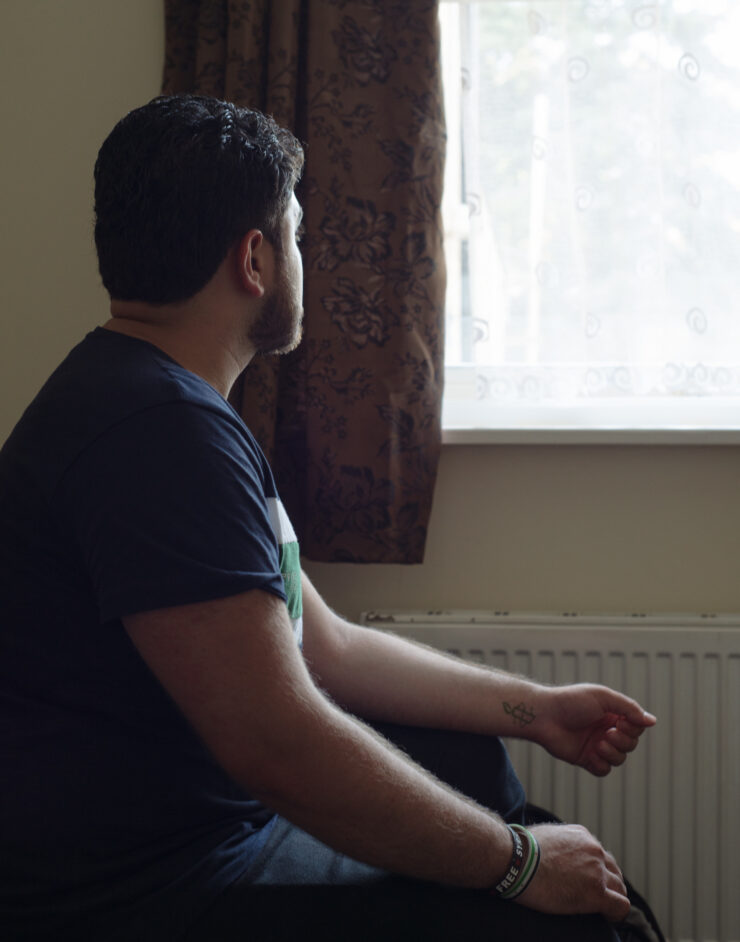
I have a temporary tattoo of Amnesty’s symbol — the bleeding candle — because I feel it is a symbol for refugees and injustice. I like how advanced animal rights are in the UK, and women’s rights. I like that it is acceptable for people to oppose the government, that I can have an opinion, that I don’t have to suppress my thoughts. I keep on thinking about those parents grieving dead children. And worse, parents whose children are missing, who are wondering day and night where their children are, whether they have been killed or are in prison. And then I feel terrible for complaining about little things in life, saying I don’t like this or that. There are Syrians like me and all they want is a day without torture or even a proper bite to eat. They cannot speak, even if they wanted to, they cannot say the things I’m telling you. My words can’t change this reality, but I must still say them.
(Hadi, London)


