
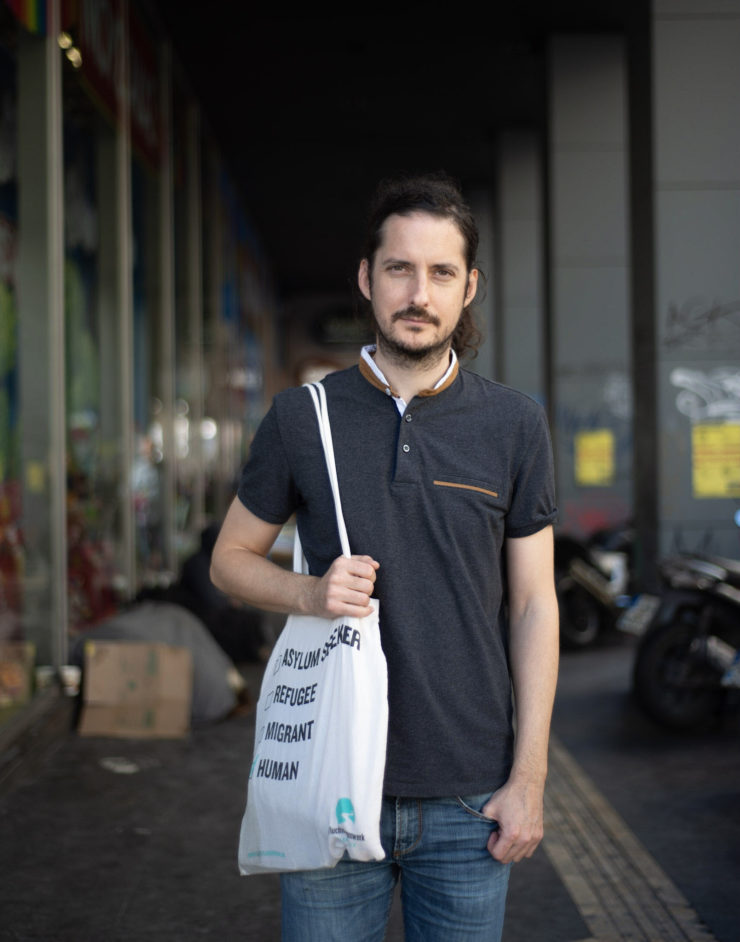


Get to know the newcomers, activists and volunteers we met in Athens, Berlin and London and their unique experiences of refuge, welcome and the digital city.
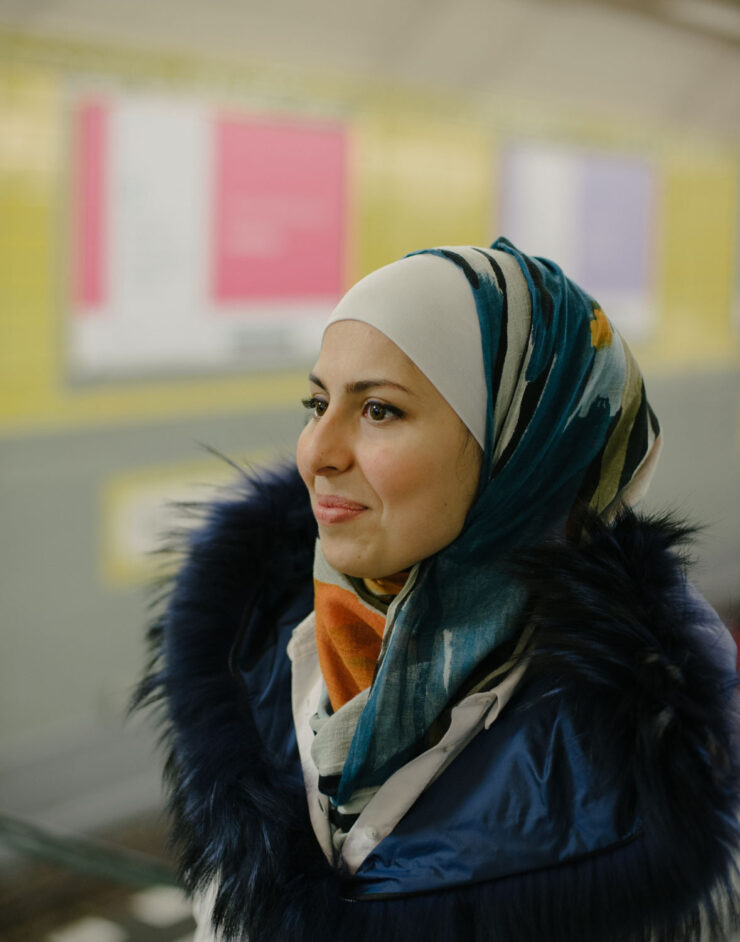
Malaka
Neukölln, Berlin, September 2018
I really don’t know how all this started. In Syria I was studying Arabic literature. I got more involved with cooking only three years ago in Jordan. I guess displacement had a huge part to play in changing my attitude towards food. It made me see that food was a lot more — it is heritage, a way of going down memory lane.
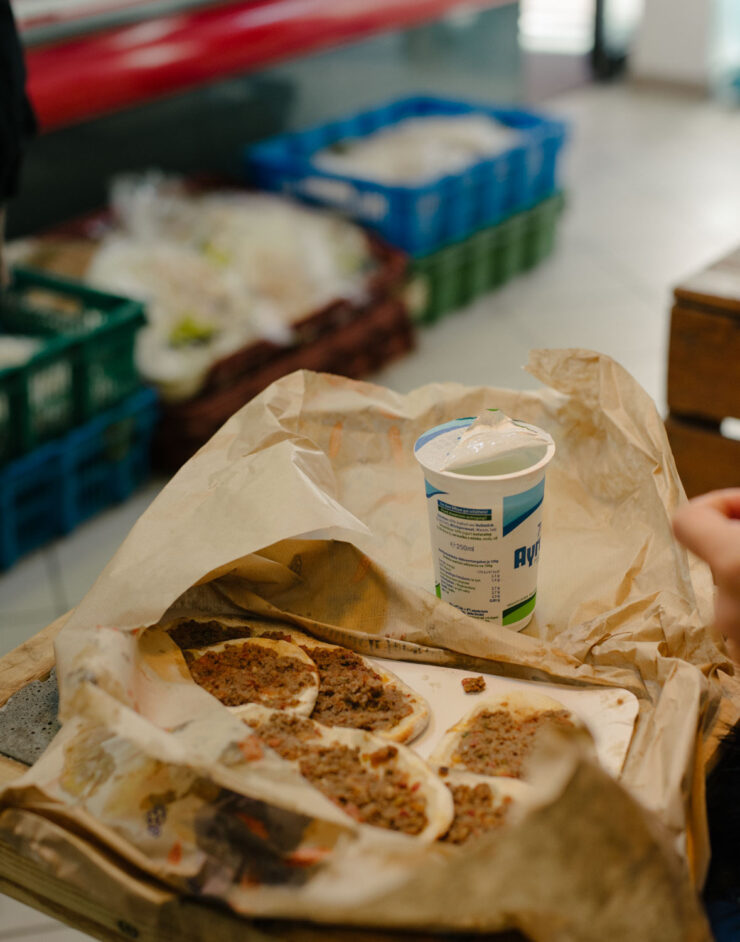
One day my husband had invited a few people he had met for dinner. I made ‘batirsh,’ from the city of Hama — grilled aubergines with tahini, yoghurt, mincemeat and tomatoes. After that, people started asking me to make dishes for their events and they insisted on paying me. This is when I realised it could be a business. I’ve published a book, I’m going to be on Netflix. And now we are opening a restaurant! My husband is scared and anxious we will lose all the money we have put in. I tell him, if you have this in your mind, you will lose. Attitude is a huge part of success.
(hope)
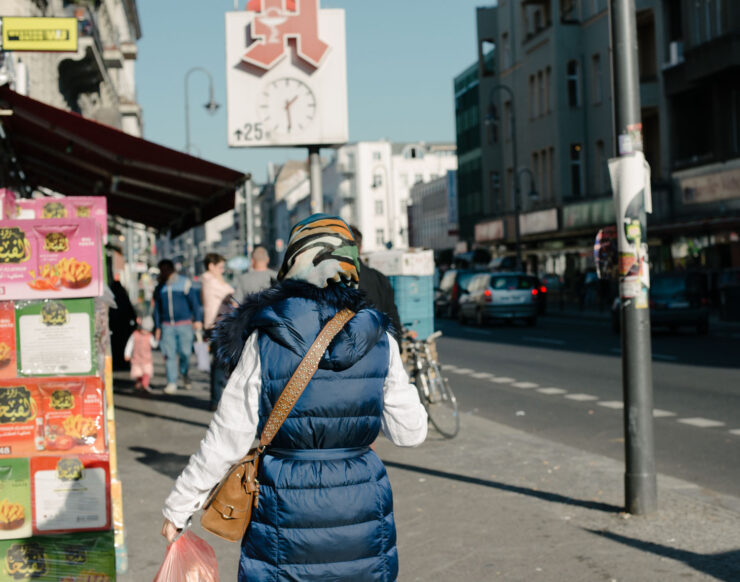
The restaurant is in Potsdamer Strasse, only seven stations away from Neukolln. I didn’t want to stay here in the Arabic area. Here the food caters to Arabs who want to have something cheap, to fill their stomachs. Quality is not their priority, they just want to eat. Friends we made here started to get in touch when they heard of spaces. We’ve been lucky. But maybe that’s also because I’ve become well-known so I am treated with respect. The established community haven’t been as nice with other Syrian refugees as they have been with us. They look down at newcomers, they treat them as newcomers.
(berlin)
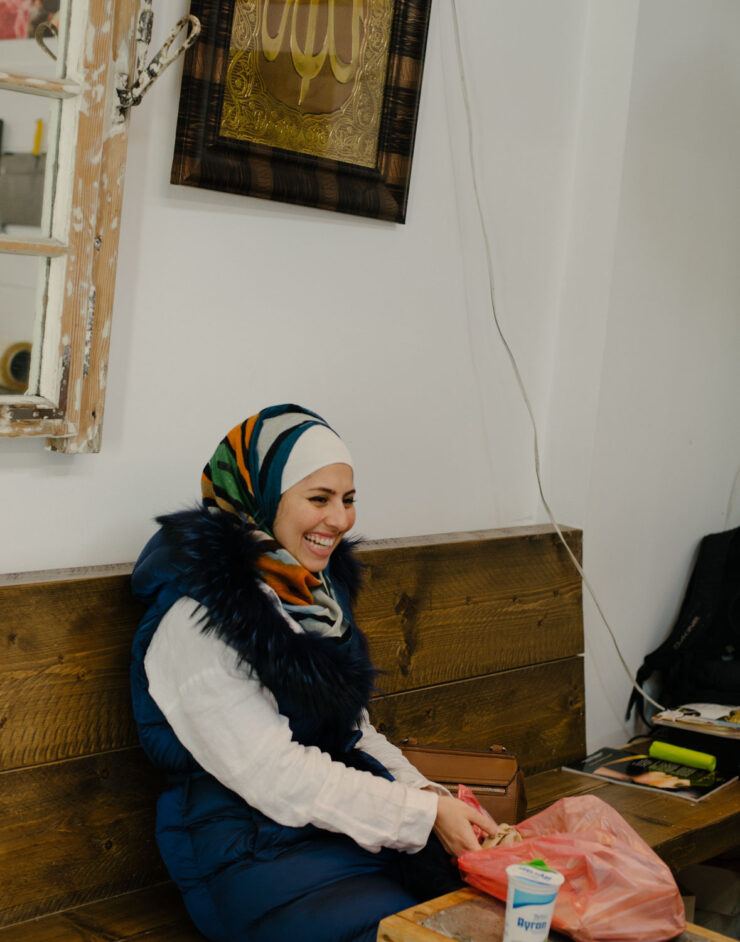
I believe food is a common language. I remember at university they told us the role shared meals play in peace negotiations. The process of eating together creates something, like a space where they can communicate. And regardless of what the Syrian regime taught us about the Ottomans being occupiers, it must have also been a reciprocal friendship because there are many Turkish influences in Syrian cooking. We were also occupied by the French, but we don’t have French influences in our food. It must mean that Turks and Syrians were essentially cooking together, in the same kitchens, to get these influences — something they didn’t do with the French. For me to share my kitchen with you, I must consider you a friend. So food reflects historical relationships of friendship.

One of the biggest obstacles here was finding a nursery for my son and understanding the system. I didn’t even know how to start searching, I knew nothing. A woman, Mary, used to come to Refugio in her spare time to help. She offered to babysit my son. Then she started contacting nurseries for us. She said she had been in Germany for ten years and had also struggled a lot when she first arrived. Eventually one nursery responded positively, and after an interview and confirming our income, they agreed to take him in as a student.
There is no place like home. No place. I am not a visitor here, not a tourist. I can only experience this place as a newcomer. This makes it very different, and very difficult. No person can come to a place as a result of forced migration and like it, even if it were heaven itself. I am working here, achieving and accomplishing things. Standing on my own two feet. But if the problems back home are resolved would I go back? In an instant. I would go back without any hesitation. There can be no dignity outside your own country. That’s how I see it.

I suppose that the law here treats everyone equally, but it’s better when people accept your culture. There is so much racism in Germany. It’s a bit better in Berlin but in other cities, like Dresden, the situation is terrible. A couple of years ago they killed a woman because she was walking down the street wearing a hijab like mine. That’s all she was doing. In Berlin, I haven’t experienced any life-threatening racism, just small things. Twice I was spat on.
There is the element of feeling that I need to prove myself here, prove who I am and what I can do. At home, you don’t really need to do that, you know? You can feel comfortable. But here there is a constant need to prove that we are not what the media portray us to be. We are not criminals or here to take money from the state. Germans also think we are using their taxes to eat and hang out in restaurants having fun. We need to show them that we are not here to waste their money. That we have escaped war. That we are enterprising and will stand on our own two feet, support ourselves. I am most proud of the fact that I have been able to show this. To prove this.
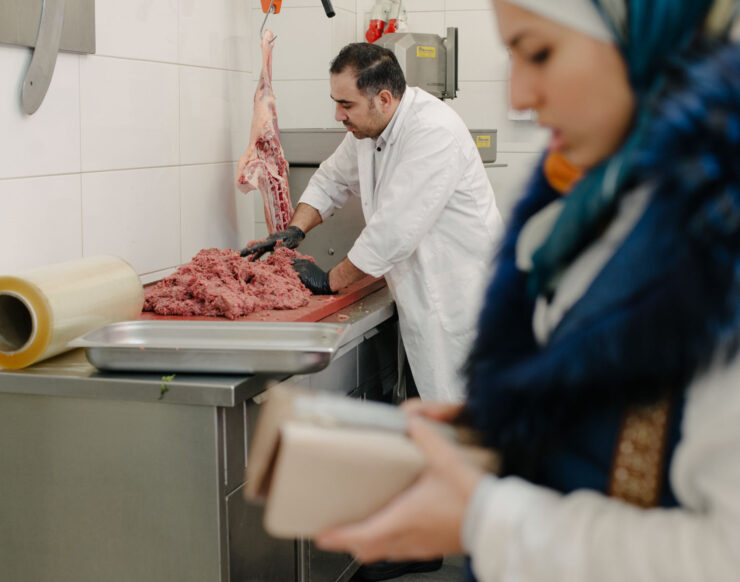
In the old days, kibbeh was considered a delicacy and when a family used to make it, everyone in the neighbourhood would know. You could hear the hammering of the bulgur and meat but you didn’t know which house it came from. The family would always give kibbeh to the midwife because she was one of the few people in a neighbourhood who knew which homes were struggling and needed food. So, really, every time you heard the hammering you knew that two families would eat kibbeh that day. But the nicest thing about this was that the families wouldn’t know who gave it and who received it. Everyone’s dignity was maintained. It’s the opposite in Germany — giving and receiving are completely exposed here.
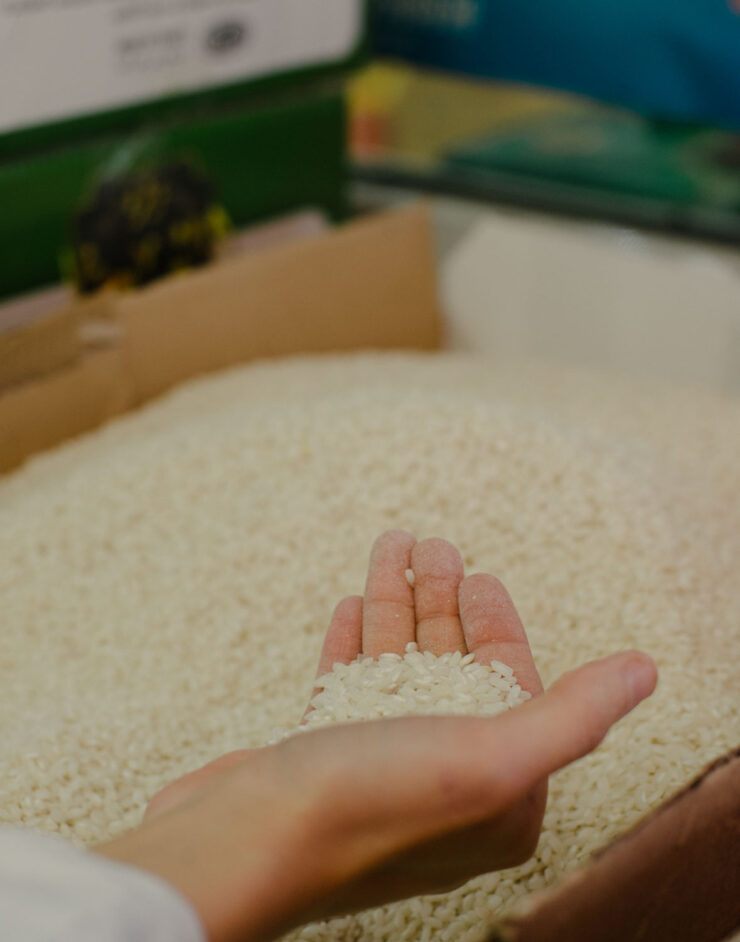
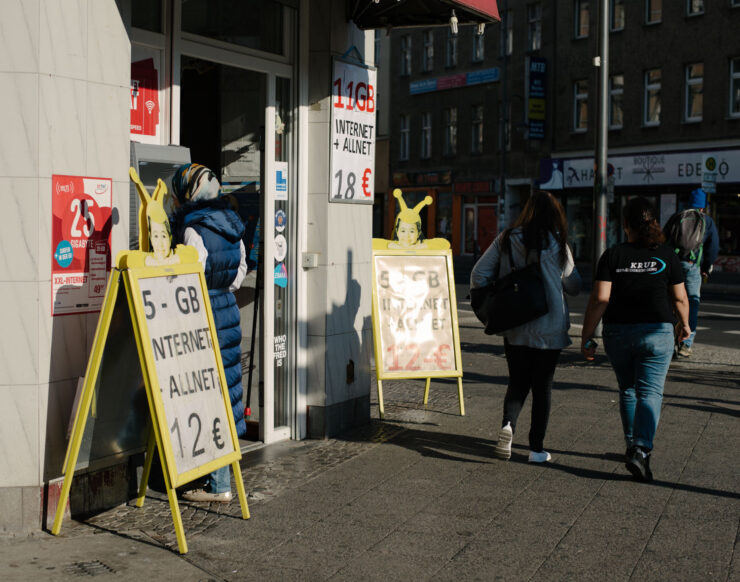
Many of my friends share every minute of their lives on Facebook. Social media platforms are important for connecting, but this is excessive. It feels like it’s acceptable now for people to be watched and monitored all the time and people are willingly participating in it. There is no need for CCTV cameras anymore, people post their whereabouts themselves! I’m really uncomfortable with that, especially about children. When I post things I’m careful not to share information about where I am or where I’m headed. Sometimes I post photos of myself, but the photos I post are months apart. I’m always consciously trying to protect my privacy.
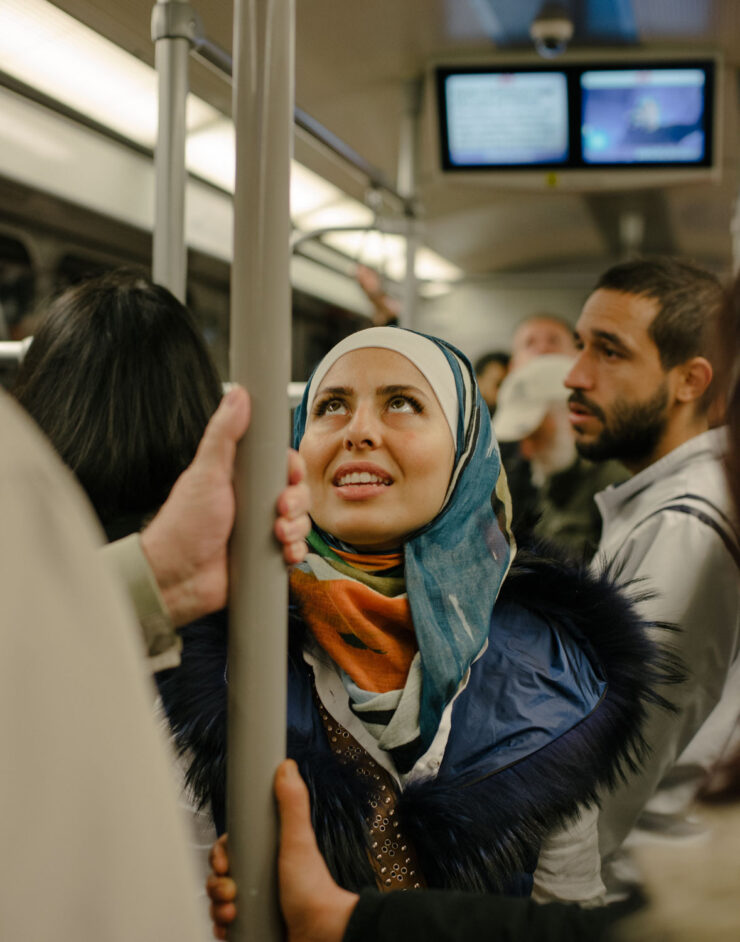
I feel very conscious of what I say on social media. When homosexuality was legalised here, I shared my opinion about it. I am not a citizen in this country, but if I was, just like people voted for this legislation, I would be part of those that voted against it. Other Syrians here took aim at me. I had written the post in Arabic and they started translating it to German and English, saying ‘look at this backwards person.’ I wanted to tell them, Angela Merkel’s party voted against the legislation, it is okay. You may be for something, that is your opinion. I may be against it, that’s mine. That’s it. The electoral box is between us.
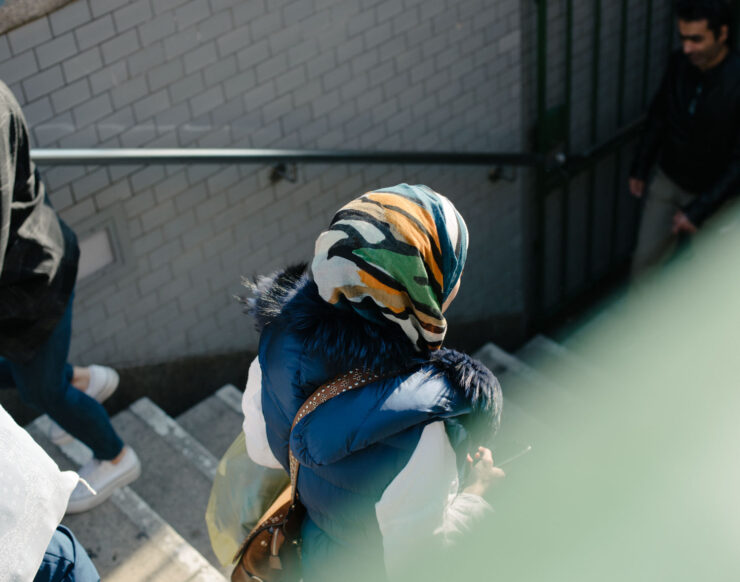
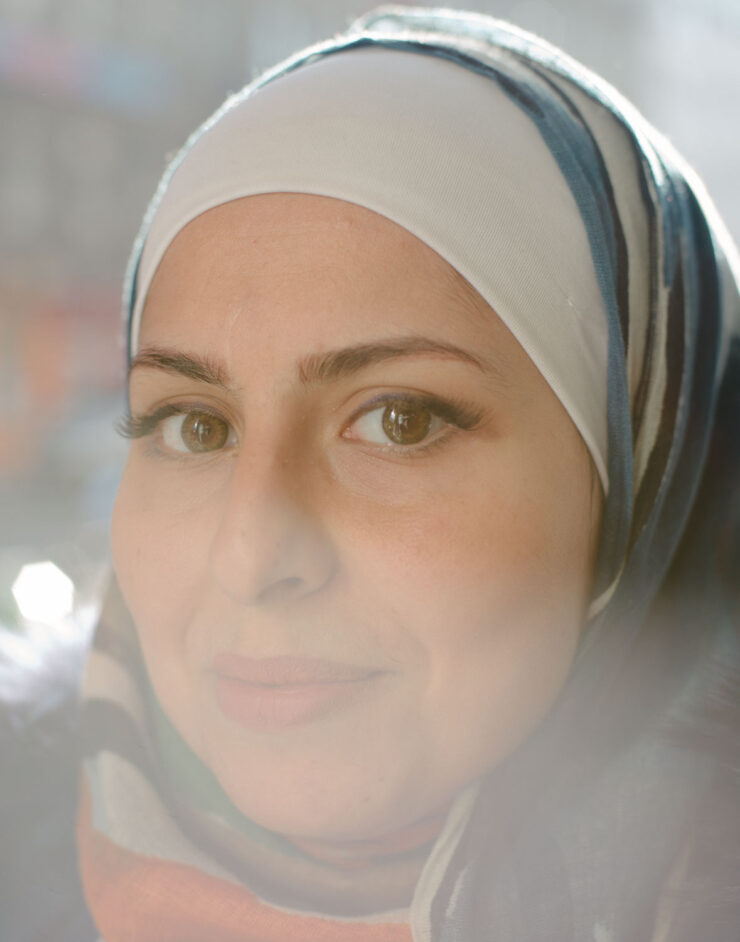
I dream of affording our own place, of not living in shared accommodation. Having my own kitchen, my own bathroom. Just some space. A home that you can put things in to make it like a home. But for now, every penny we have is going towards the business. I’ve designed my restaurant to be like a home. There is a dining room, and a lounge just like a living room. Even the furniture is like a Syrian home, not like a restaurant. I want people to feel comfortable. And hopefully one day I’ll have a home.
(home)


