

Get to know the newcomers, activists and volunteers we met in Athens, Berlin and London and their unique experiences of refuge, welcome and the digital city.
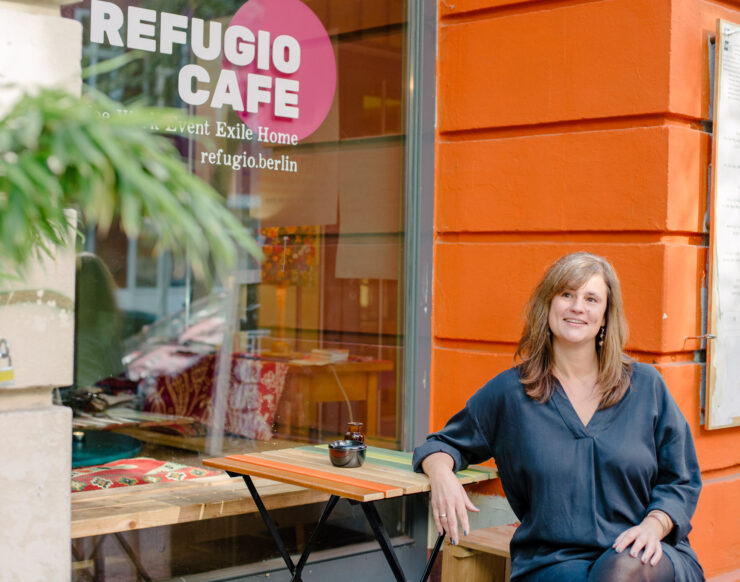
Julia, Refugio
Neukölln, Berlin, September 2018
I remember my first day here as the events manager, it was very abstract for me— integration, people working and living together. Two years later, I understand much more what it means to have a place where your heart goes every night.
I underestimated the importance of that. I also underestimated how traumatised people were. You can’t always see that, especially with the Syrians, they play with it, they have a lot of humour. Until I started asking about their stories and I saw how important it was to have a home. A home that is really secure. The need for welcoming people. Here we say ‘welcome to Refugio.’ This is now something that is part of me.
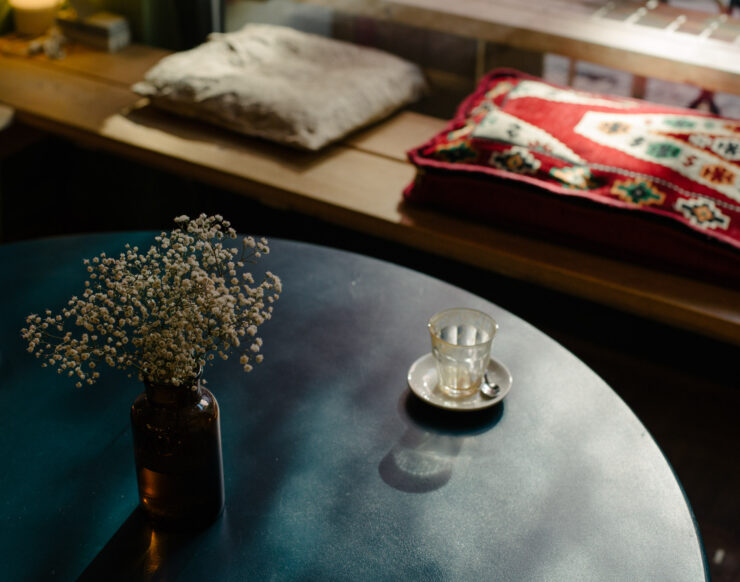
Refugio Berlin is a sharehaus, so we share not just the work, but also our experiences, life and dreams. It’s physical support, not just saying ‘hi’ and maybe cooking together, but if someone needs help with German bureaucracy for example, there is always someone there. This support comes from the community. If we had a social worker here everything would become more schematic and what happens when the workers go home? Most of the people working here, even those managing the house, are here most of the time. It is not always good, but that’s how it works. And many people have been living here for three years or more, and only leave if they have children and need more space.
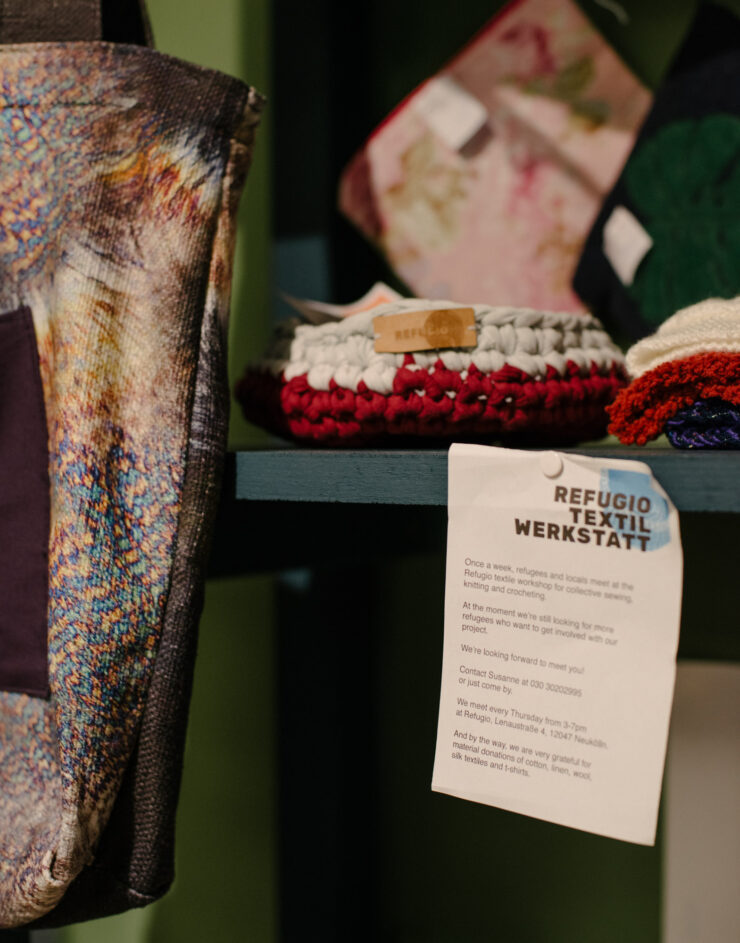
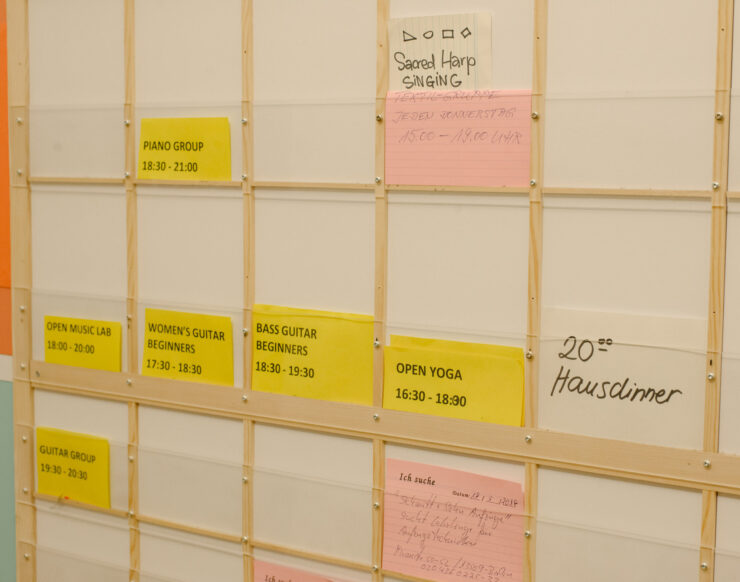
Our apartment floors are mixed between German and non-German speakers, newcomers and old-Berlin people. Always 50/50 so people can talk, and experience the support and community too. The only thing people really fight over here is the kitchen. We’ve had the police here only once, and I think it was about the garbage smelling or people standing by the door too much. And the police said, ‘you are living here with so many people and we don’t know this building, we’ve never been called here before, that’s amazing!’ So something works actually.

Integration works with language only. I used to speak a lot of English when I joined the house, but someone told me a statistic that the better German you speak, the better your integration into society. Now I always start in German and then sometimes, if needed, I translate into English. The second issue is security. The more people are traumatised the less they can integrate. That you have to really take into account.
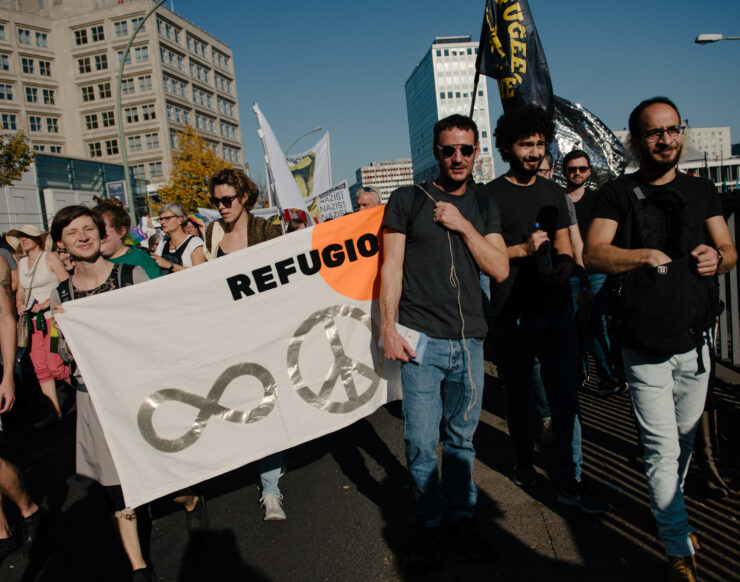
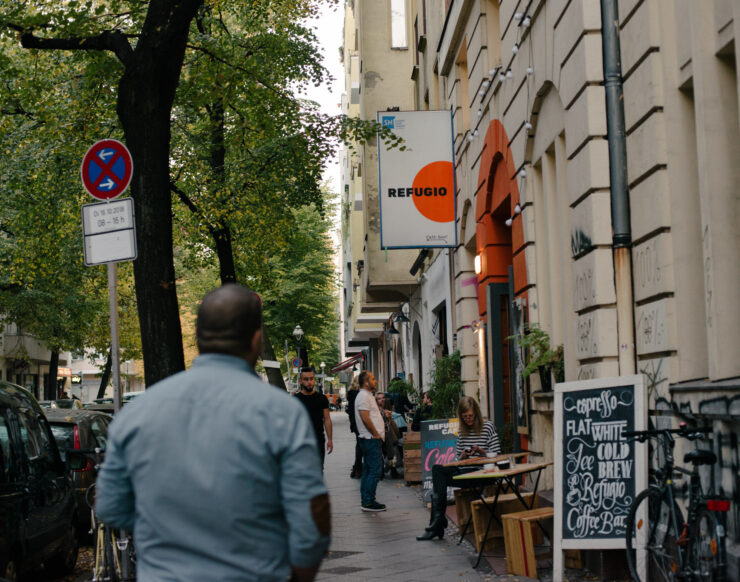
Place is important because of infrastructure. What Germany did for a while was build big camps, like 500-1000 people in the villages, and I think that is something that is really not working. Either the village is traumatised because there are so many foreign people coming, but also for the people arriving in these villages there is nothing there. You don’t have proper infrastructure and you can’t look for jobs, can’t look for flats, nothing. I think this is why Refugio is so special. It is in the middle of Neukölln, it is very young, very trendy, very welcoming. They don’t have to be scared of leaving the house and finding someone standing in front making a demonstration against them.