

Get to know the newcomers, activists and volunteers we met in Athens, Berlin and London and their unique experiences of refuge, welcome and the digital city.
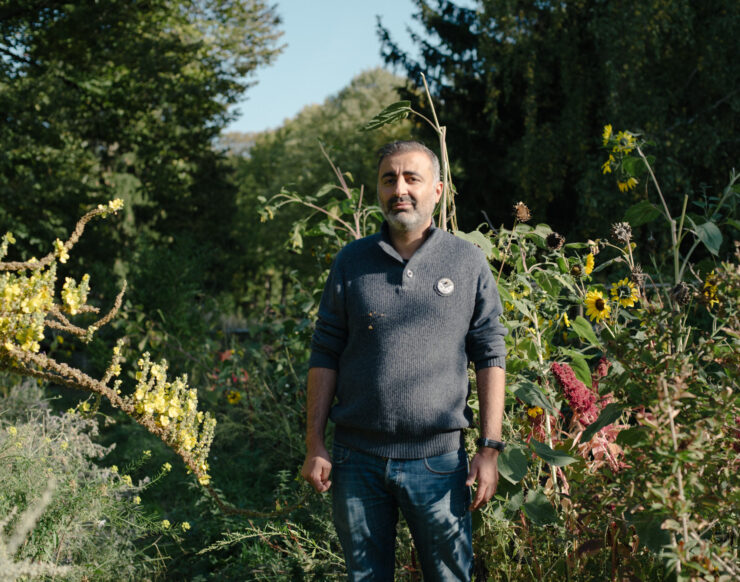
Houssam, Schlesische 27
Neukölln, Berlin, September 2018
S27 doesn’t specifically target its work at refugees. We are a creative initiative that cares about refugees, not for refugees.
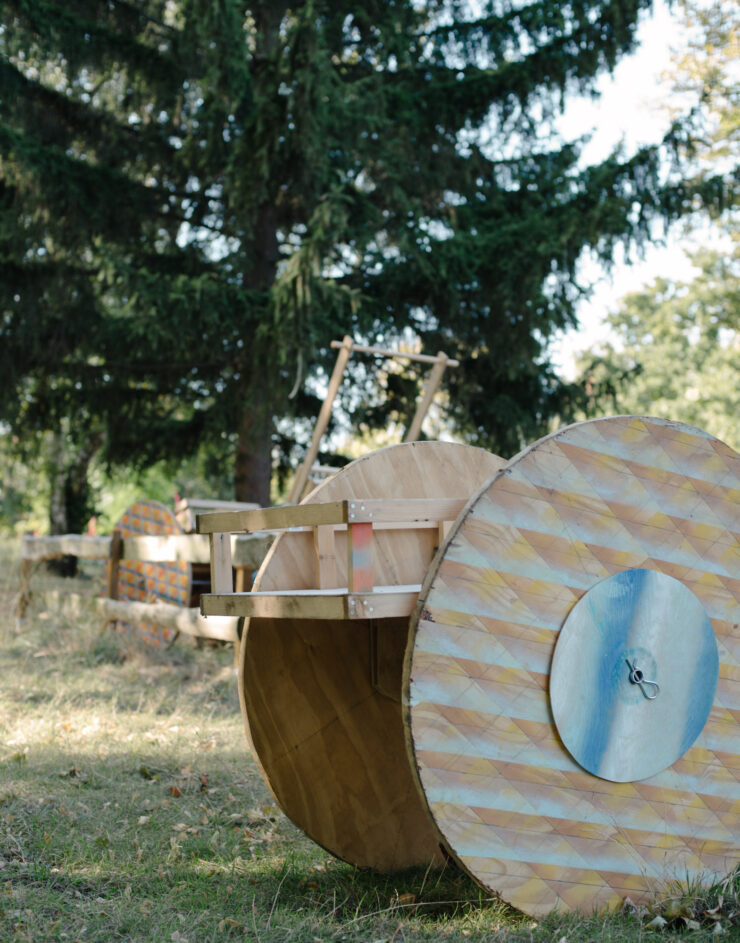
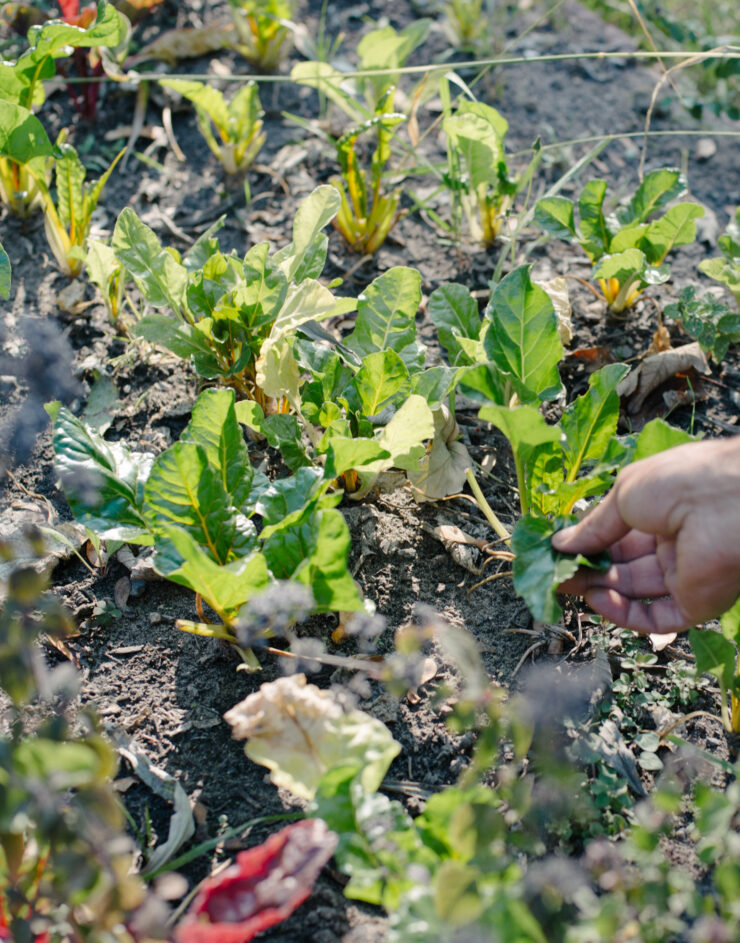
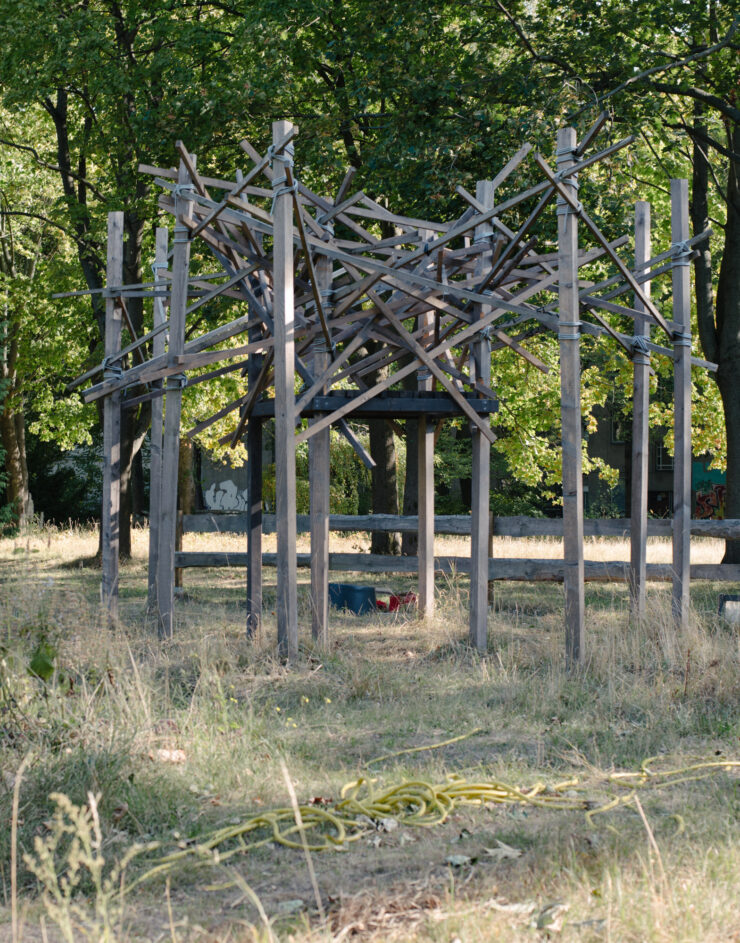
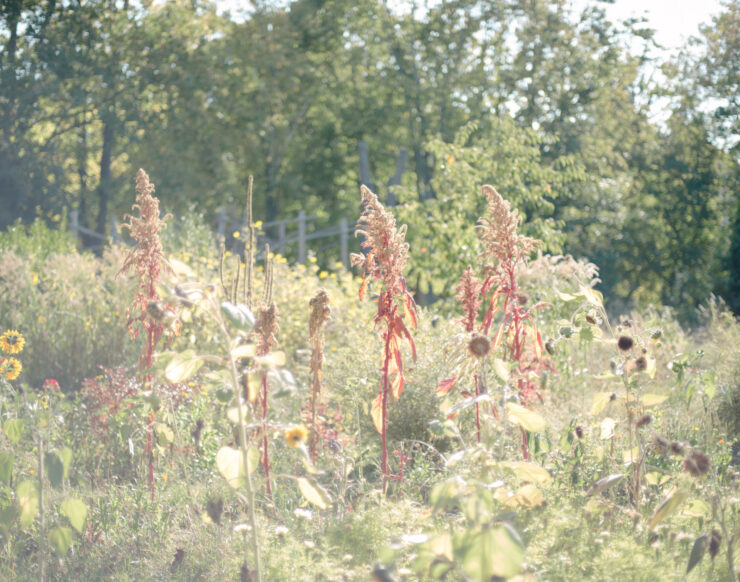
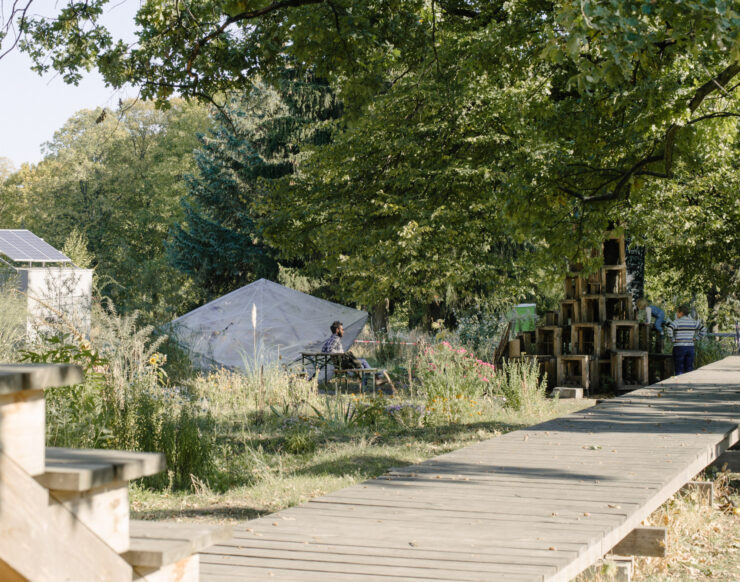
The focus of our work is creative. Getting the creative energies out. We work a lot on recycling. The idea of using things that are thought of as no longer useful, and turning them into something new and exciting again. Look, we are in a cemetery, and we do dance and yoga! It’s a space in the very middle of the city and it’s not used. So why not? We run a clay oven and have pottery classes, painting lessons, photography workshops. We also teach language and maths. And we have bees, produce bio-honey, grow flowers and herbs.
(solidarity, berlin)
In Germany there are many refugees who do not have access to accommodation, health insurance or the right to work, especially refugees from African countries who first registered in Italy but could not find work there, so they came to Berlin. In Germany, at the moment, some refugees have more advantages than others, for example, Syrians. Even within nationalities, however, there are differences as not all Syrians have access to the opportunities and securities offered by government schemes.
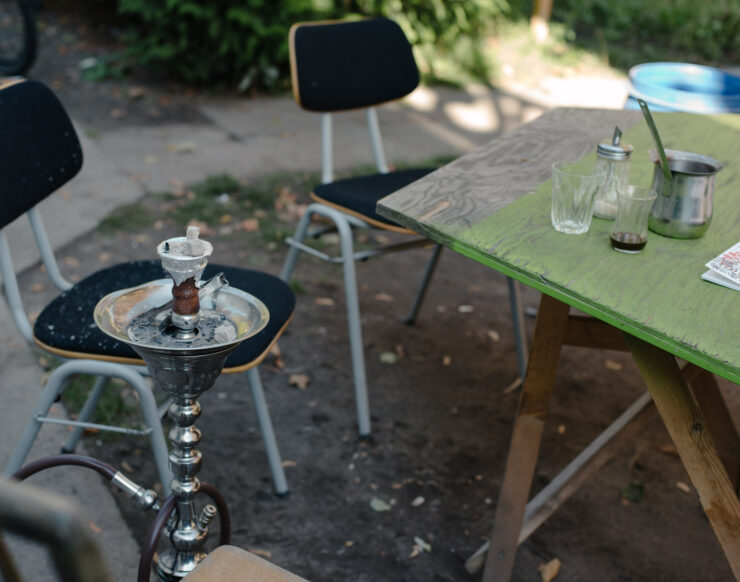
We care very much about refugees who have no documents. For them, this is a space without conditions. We don’t record whether they show up or don’t show up, whether they were on time. The system here in Germany holds these things very highly. Integration here is everybody having to learn to do things like Germans do. To me this is not integration at all. It should be an exchange. This is the point of our work.
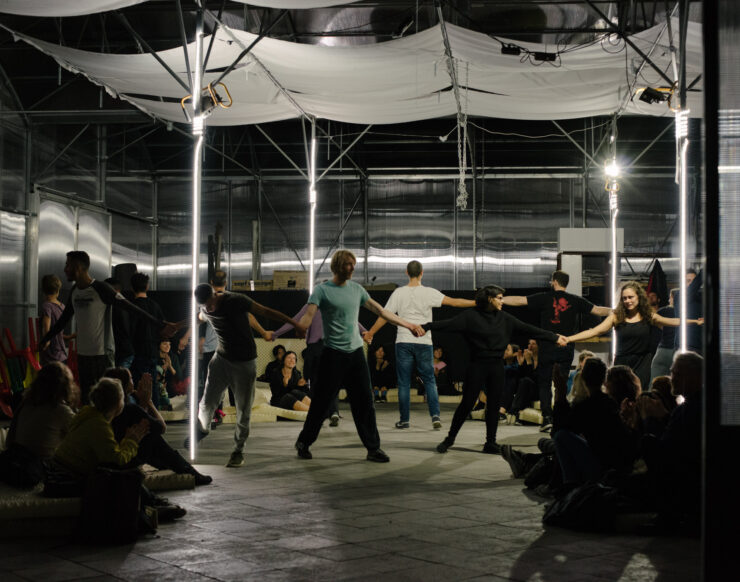
Involving the local community is very important to us. Neukölln is also a very diverse neighbourhood, but at the same time, it is also closed in its own way. We have Turkish communities here, Arabic ones, and Russian also. Each of these communities remains strictly within their own. Some families have been here since the 60s and 70s, and they don't have relationships with their German neighbours. There is a distance between communities.
(berlin)
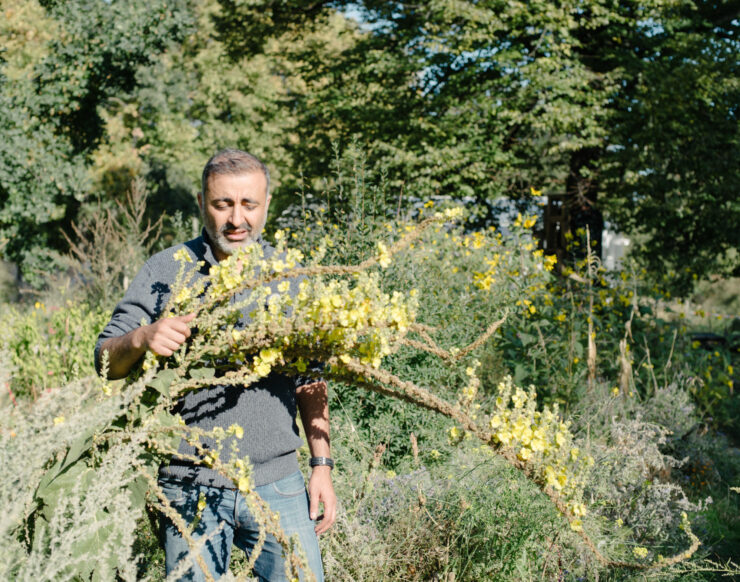
It's a very special thing to welcome people. My favourite job ever was in Greece, meeting people at the shore. It wasn’t about giving food or clothes or medicine, but to say welcome, and talk to them about what’s coming next. I used to do a similar thing in Syria when I ran a small centre teaching Arabic to students from everywhere, even Europe. If I knew a refugee who was going to a country, say the UK, I’d get my UK students to explain about life there to prepare him. Because most refugees have very high expectations about Europe. They think it’s paradise here. Then they get shocked when they arrive.
Berlin is more open. Some Germans who have travelled are more open, but others are against all ‘foreigners,’ as they call them. In some cities in other parts of Germany, Germans who were living there all their life had never seen someone who looked different to them. They were unprepared to receive refugees. And the German government forced refugees to live in these places, and forced the German residents to accept this or threatened to cut off money. So of course, there is no love at all at the moment. No love at all. German people need to learn how to be integrated. They need to work hard towards that.