
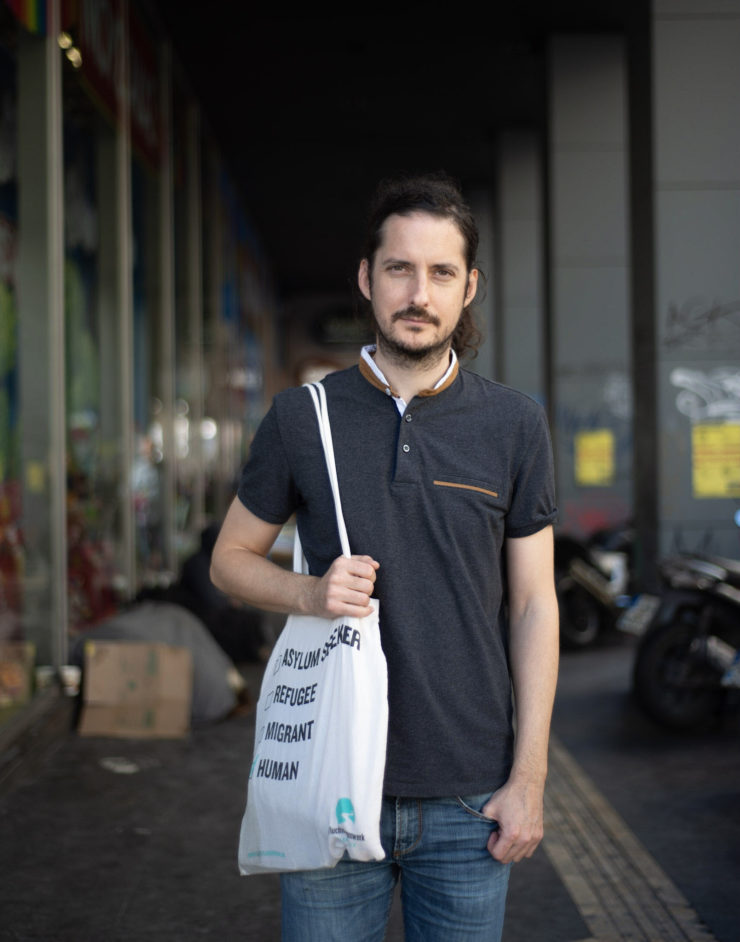


Get to know the newcomers, activists and volunteers we met in Athens, Berlin and London and their unique experiences of refuge, welcome and the digital city.
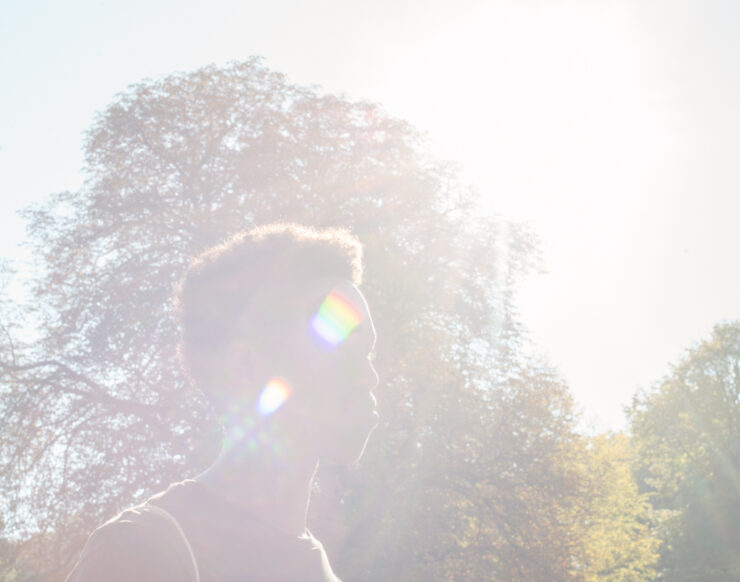
Sadu*
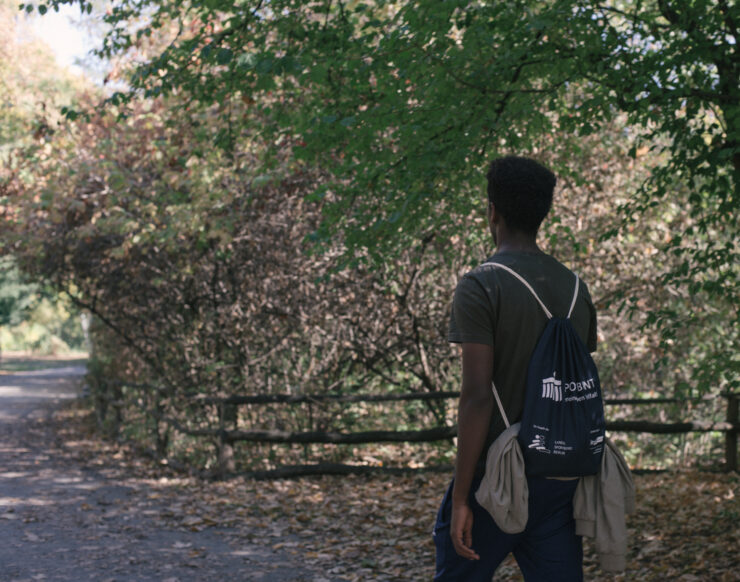
Tempelhof, Berlin, September 2018
I still think of myself as a refugee. But I also consider myself a Berliner because I go to school here, I meet my friends, I take part in city life. But ultimately I consider myself a student because I’m still at school and education is very important to me.
(hope)
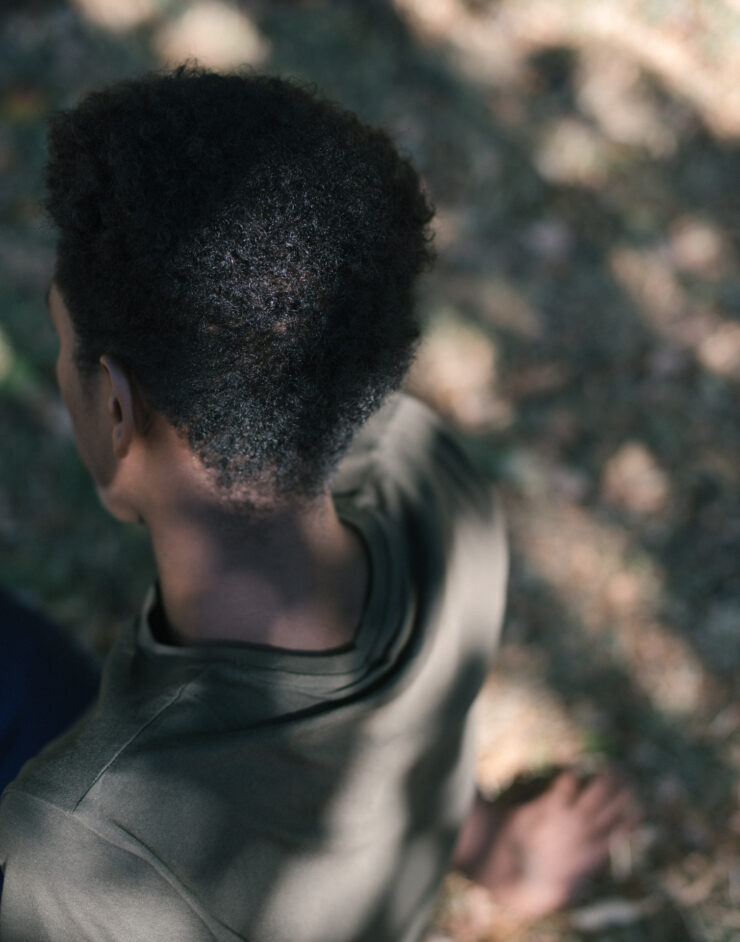
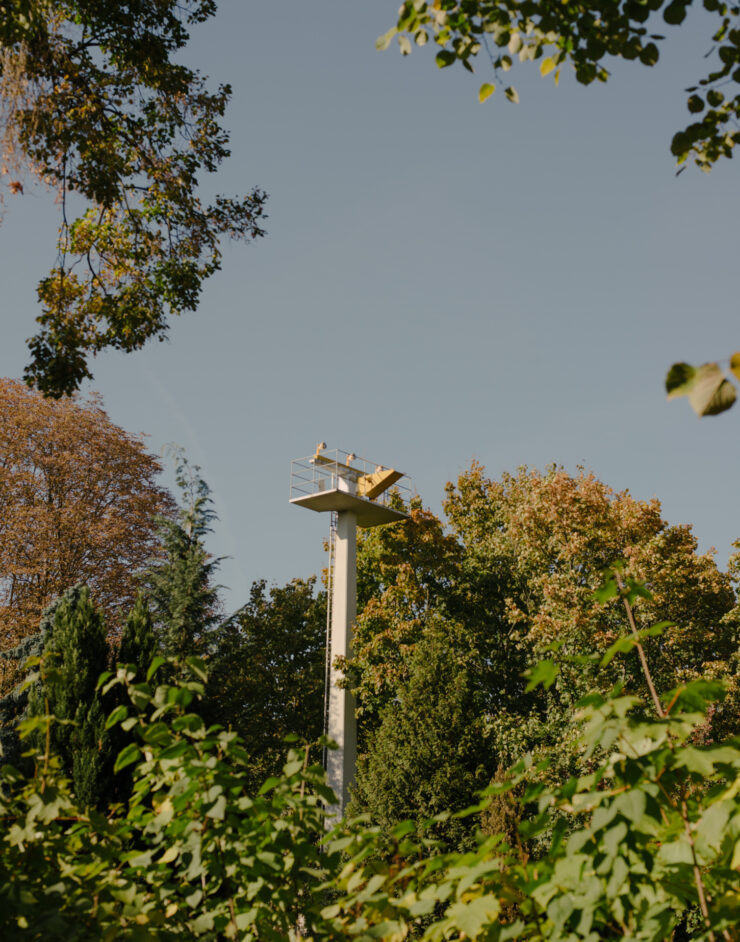
Many young people who demonstrated against the government were arrested, so I had to leave Ethiopia. I travelled via Sudan to Libya, then to Italy, but I was only there for two weeks before joining some Somalis to Germany. For the first four to six months in Dessau, I was by myself and didn’t go to school or anything. I didn’t feel very well, you know, because of the things I saw on my journey here, and I thought I would never be able to learn German. So I somewhat hid from everything. But my friends told me about what they were learning and I thought, ‘What are you doing, Sadu?!’ I felt like I had just got my life in order in Dessau when I turned 18 and had to leave the youth shelter. I didn’t want to, but one year later, I have to admit that I was very lucky they sent me to Berlin. I really feel at home here.
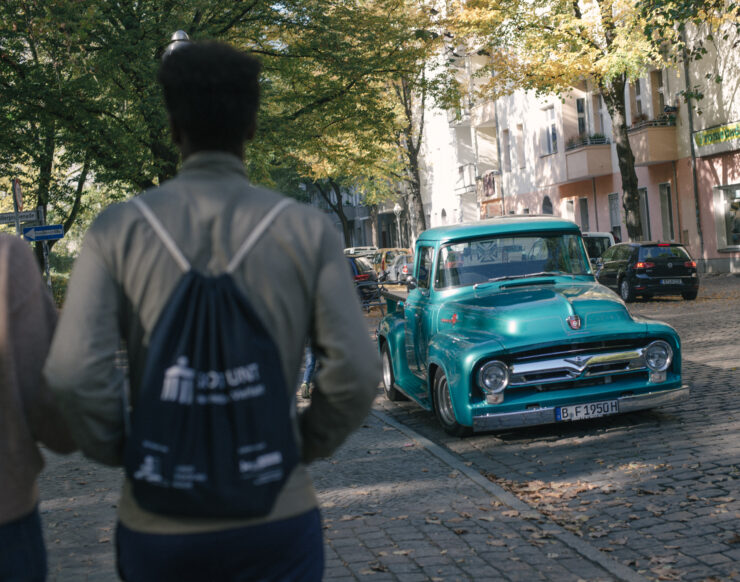
You are not the first one to react like that when I say they sent me to Dessau in Sachsen-Anhalt. Every time I tell people I was there, they gasp! But honestly, it wasn’t that bad. It is true that in the playground at school, the newcomers were surrounded by everyone staring at us. This was weird. But people got used to us being there. I only had one incident: I was cycling with my friends and a driver showed me the middle finger. For some reason, I dropped my bike and ran screaming after the car. My friends just laughed because instead of using my bike, I dropped it and started running. It must have looked so surreal.

I love football, I grew up with it. We play here on Sundays. We go for walks, ride bikes and learn skateboarding, but I’m not really good at that yet. During the summer, we were going to this café in the park to watch the game. There were so many people and it was a really good atmosphere! I supported the French team — they were just the best, I mean Mbappé?! He did so well.
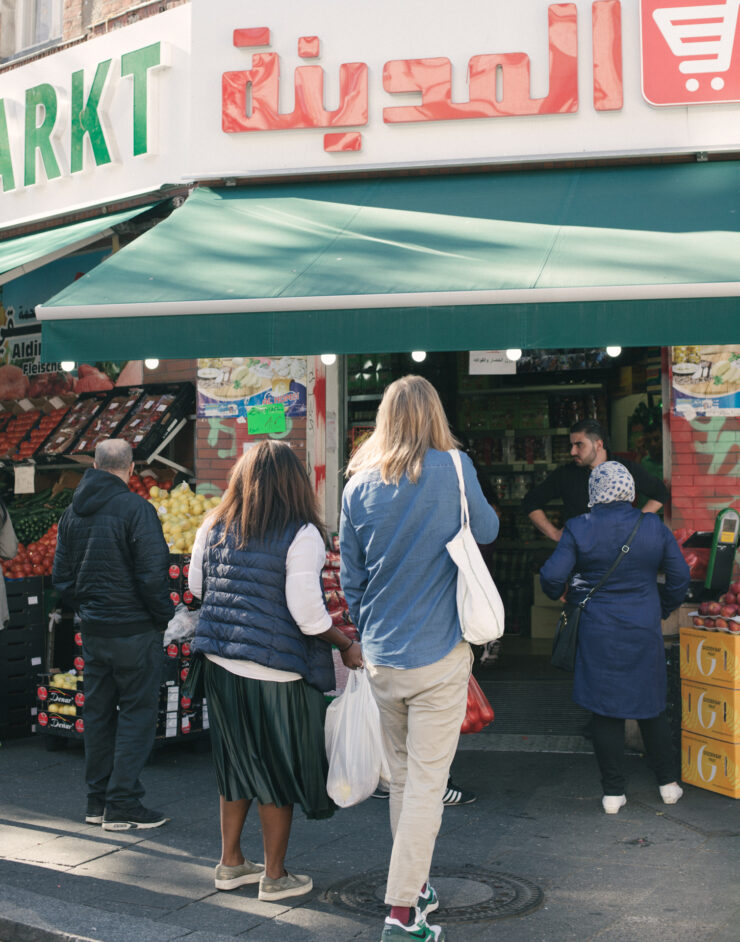
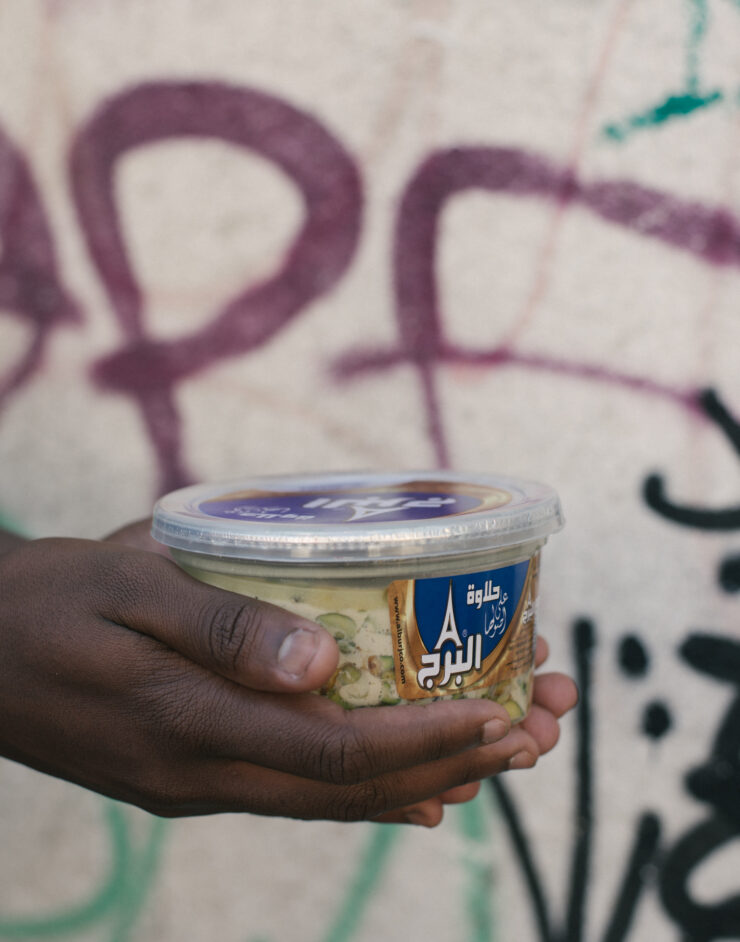
There are two places in Berlin that feel like heimat* [homeland]. Mariendorf, where I spend time at my friend’s flat when I need to catch a break. And then Neukölln. It has a lot of people who, like me, are just arriving here. It’s like a small world. We really support one another, show each other around, hang out. I also met a really nice guy who works for youth services, Paulo, a German originally from Brazil. He helps us a lot and even gave me a bike after my first one got stolen. I’m looking forward to this trip he’s organising for us to Trier next month.
* The concept of ‘heimat’ in German has no exact English translation but has a strong connection to identity and recognition.
(berlin)
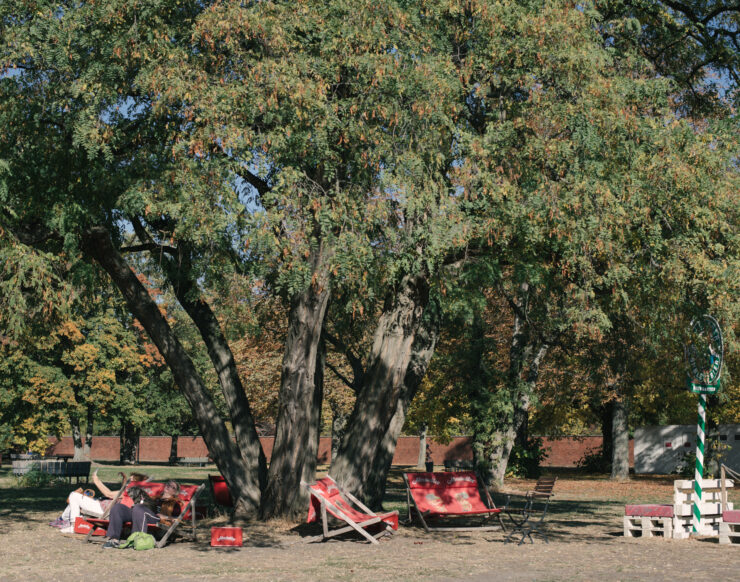
I grew up with three mother tongues: Somali, Oromo and Amharic, the official language of Ethiopia. I learnt Arabic and now German, and I really want to improve my English as well. In the schoolyard, I could jump from one language to another and speak with many different people. I think that’s why I have such a big group of friends. The German people are quite closed and restrained sometimes. They need to be more open-minded. I get along with Germans quite well in school, but most of my friends I meet outside of school are also refugees. I have a good friend I travelled with from Libya who lives far in Friedrichshain (east Berlin). We only see each other every three months or so, but it’s still important to me that such close friends live in the same city. It’s a big support.

My family live in an area where there is no stable internet connection, so we cannot talk that often. I sometimes send them a picture, although I really don’t like taking pictures of myself. But I do that to show them how I look now, where I spend my time and so on. But to be honest, I mostly use WhatsApp or Facebook to stay in touch with my friends here.

I don’t like living in the shelter at Tempelhof* – it’s a constant reminder that I’m a refugee here. I don’t have a problem sharing a room, but I don’t really get along well with my roommate, so I’m asking to change rooms. My friends and I sometimes think about moving out together for more private space and actually feel like home. The refugee office (LAF) can also pay for an independent flat instead of the hostel. But, it’s Berlin — everybody is looking for a flat! And there’s definitely discrimination. You show landlords your LAF documents and suddenly they give the flat to someone else.
* Tempelhof Field is the site of a former airport in central Berlin that was converted to emergency shelter for refugees by the government.

Religion is a complex thing. It’s very personal to me but it also brings an opportunity to create social networks. I’ve met a lot of really supportive people at the mosque I go to. I think the attitude in Germany towards Islam is okay. The media sometimes paint a false picture of it but I think society is changing their ideas about it the more they come into contact with Islam. I have watched many videos and read in the news about racists attacks and police violence and stuff, and that scares me, of course, but in my everyday life, I feel safe. It’s a welcoming city.

I started from scratch here, and it’s going better and better but ultimately, I want to finish my education, return to Ethiopia and make things better there. It’s because of politics that I had to leave my country and it’s through politics that I would like to change something. There’s a new and better president in Ethiopia now. I actually already booked tickets to go see him speak at a stadium in Frankfurt at the end of October.
(hope)
* Sadu has chosen not to use his real name.


