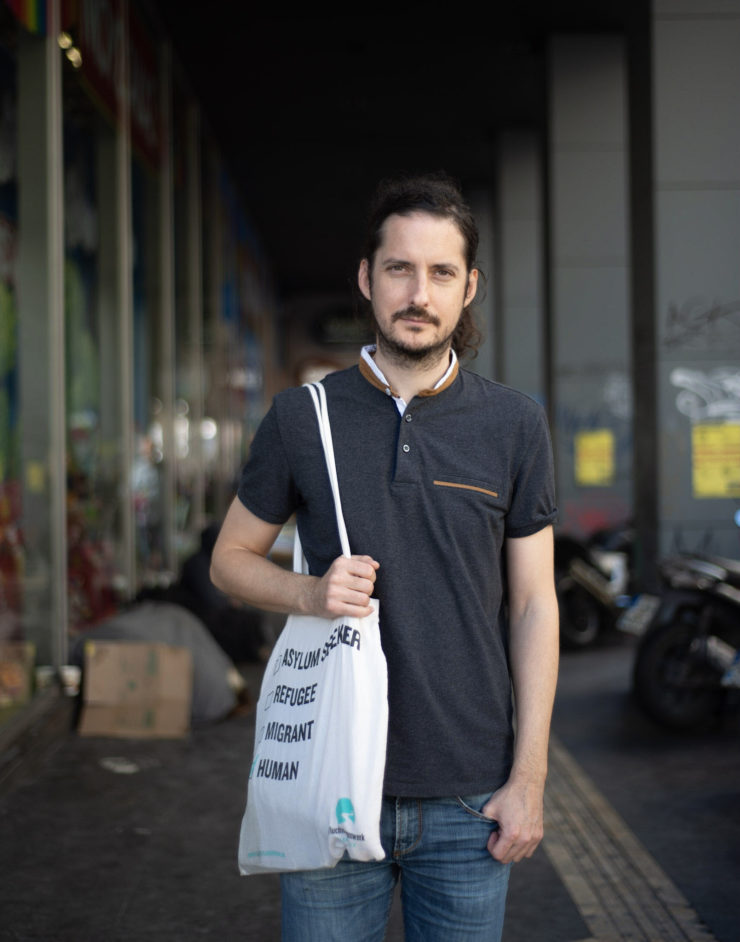


Get to know the newcomers, activists and volunteers we met in Athens, Berlin and London and their unique experiences of refuge, welcome and the digital city.
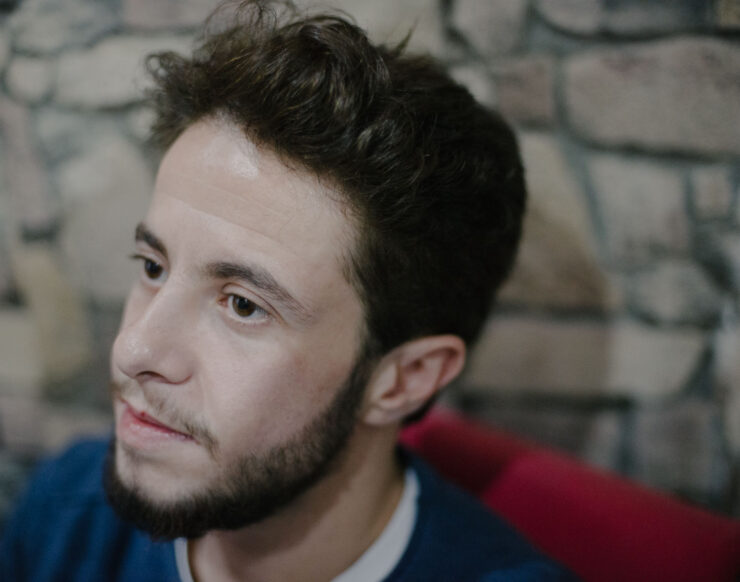
Ali*
Neukölln, Berlin, September 2018
In Syria, I was a political prisoner during the revolution, imprisoned for protesting. I always had this feeling that I was different to other women, but I was not necessarily conscious of what this meant. I was in a society that was closed and it would have been too complicated. Until prison.
There I saw many harsh and cruel things. I couldn’t comprehend how these things could happen. And for what, for expressing my opinion? The people revolted so cruelty is excused? So I decided — this is it! I started to tell my cell mates I was leaving this place and transforming my gender. The guards at the prison started calling me ‘Abu Janti.’*
*Abu Janti is a fictional character on a Syrian TV series, a taxi driver whose humorous escapades touch on critical social issues.
Germany is very bureaucratic. Getting your papers as a refugee is difficult enough but I was going through both processes at the same time, applying for asylum and the transgender operations. Imagine having refugee documents and then you no longer look like the photo you first submitted. Imagine the difficulties. I was changing every day, my body was changing, my emotions were changing. And all the while, my papers did not change. So I faced a lot of difficulties, like when I travelled to France. It took me two years to finally get the ID with my name — ‘Ali.’
While going through the legal process to have the gender transformation operation I was working at a hotel. My life was work, papers and gym. Finally, I got the approval from the courts, and I started the medical procedures and hormones. That’s when the hotel fired me all of a sudden, because I took extra sick days. They didn’t even give me any notice. The payments started piling up and the job centre was horrible. They kept on asking me to do things beyond my current capacity, physically and mentally. That’s when I broke down. I broke down and I haven’t been able to stand up completely since.
(loss)
Why Berlin? I don’t know. More liberal people, maybe? Nobody bothers anyone. They don’t even notice each other, you can just be yourself. I had arrived in Germany in 2015, in Mainburg. It’s a small city full of stupid people. So, so racist, but the racism was not directed against me as a trans person, it was directed against me as a refugee.
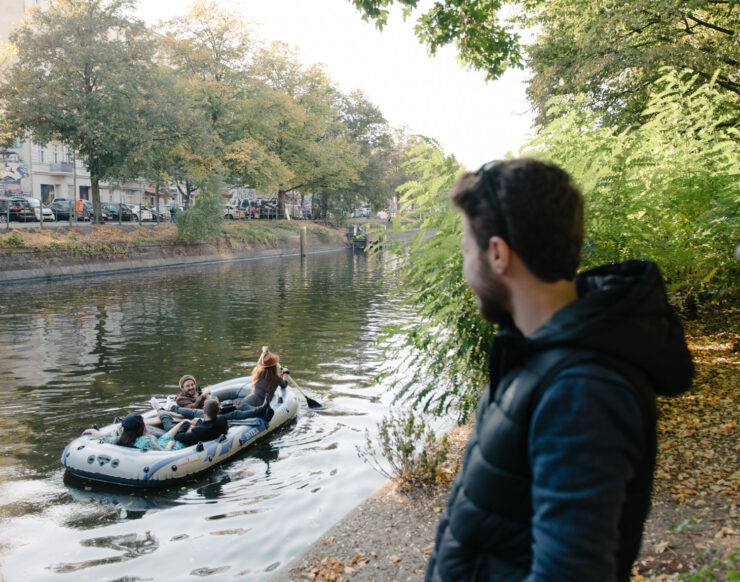
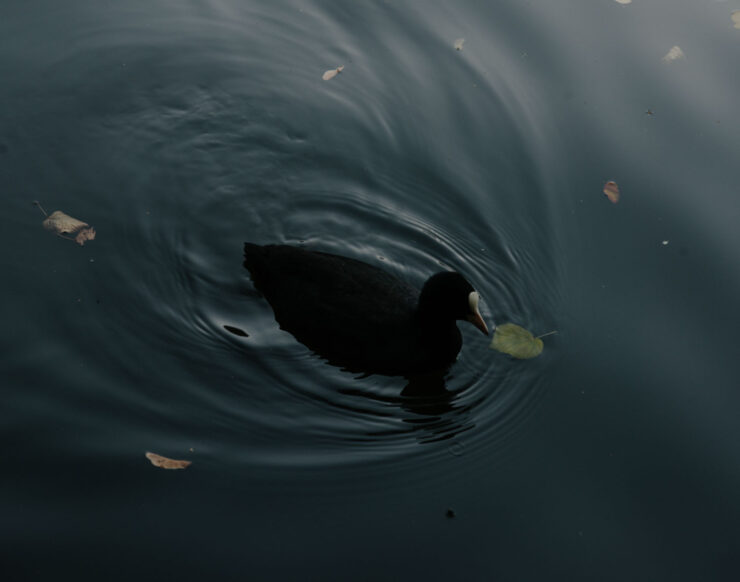
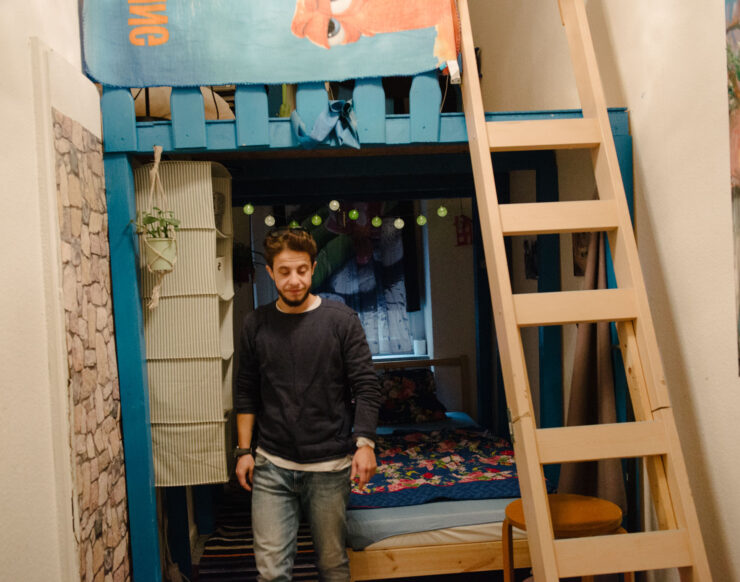
Isn’t this beautiful? The street is right there but from here it’s invisible, you can’t really hear it or notice it. Sometimes I think I prefer the company of ducks to people. I love people but I also hate them. But even those I hate, I know they carry painful stories inside them, so I feel for them as well. I have two German friends, and two Syrian friends that I knew from a long time ago. I keep this close group and don’t try to expand my circle at all. You know, the worst thing facing Syrians here is that so much has been done to us that we no longer trust each other as human beings. It becomes very difficult to really get to know someone, to get to a point where you can call them a friend.
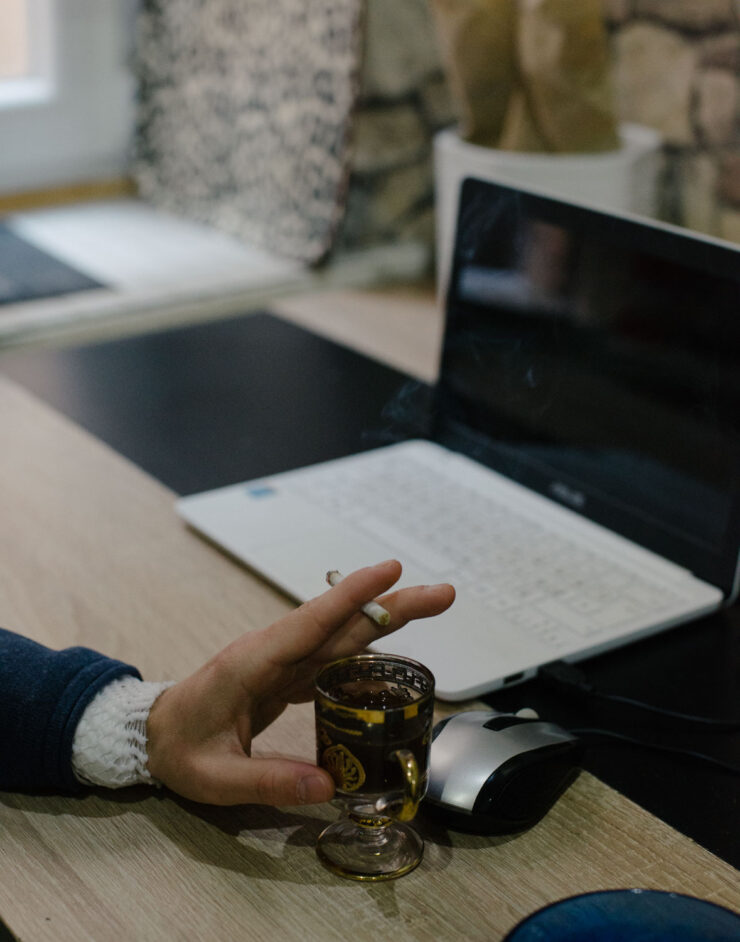
Hussam is like a spiritual godfather. He heard about me and my story from a friend, and he gave me a call. He told me I should come to Berlin and we talked about the prospect of working on a film to tell my story. I’ve really enjoyed the experience of working on the documentary. It’s nearly done, it’s 27 minutes and will air in December. They even took some footage while I was lying on the operation table undergoing one of the procedures.
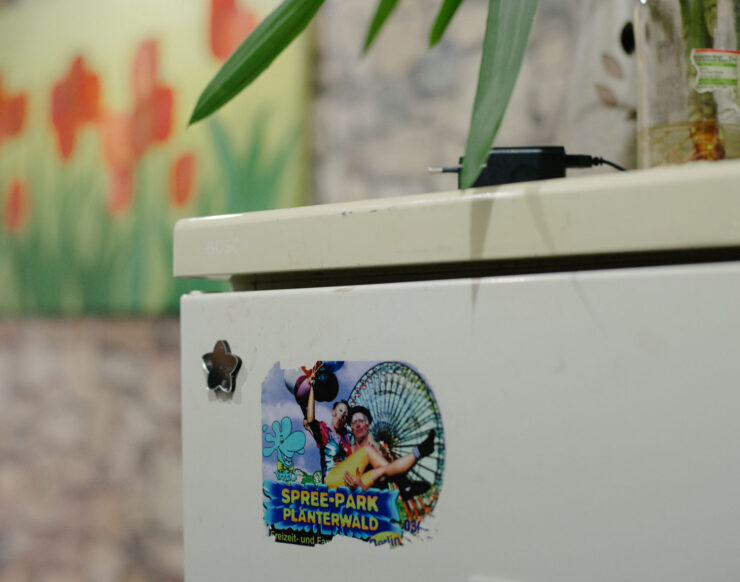
I am part of a theatre group made up of five Syrian women who were Assad’s political prisoners. A friend from prison invited me and we got together initially through Facebook. We’ve performed five times in Paris and once in west Germany. In the play I share a letter I wrote to my mother while I was in prison in Syria, telling her about my intention to transition. She had already died when I wrote it. Even though we didn’t have a good relationship, her death is one of the things that has affected me the most. I realised after she died that she was my god.
(loss)

I am not active on Facebook and I don’t like social media at all. When I open Facebook, I get all the news from back home, from Syria. It ruins my day. News, news, news. Here he was killed. Here he was beaten. Here he was tortured. Ahhh… Some of my friends from when I was in prison, they have been sentenced to 20 years, others have died under torture. I don’t want to hear about this anymore. I’ve had enough. I get to live, too… to leave it.

You may see me laughing, but I am not in a good place. I’m very depressed. Sometimes I think, ‘I am 28 years old and I have already seen all those things.’ I’m strong, it’s true, but also I feel like nobody sees me, nobody touches me. And this is when you start to feel like all this is for nothing. I’m asked for so many things here. Integration, fine, I’ll do that. I learnt German on my own, I didn’t go to school. My language is not perfect but I managed all my papers on my own without a translator. But just give us some space, that’s all. We are coming from war. We have seen things no human should see. From a completely different place, culturally and religiously. You can’t switch these things off. Even for someone like me — my body changed, but my memory persists as ‘Ola.’ My feelings about the things the government wants from me will be different to how they see it. How to reconcile this, I don’t know.
(loss)

I do feel pride when I look at photos of 'Ola.' Unbelievable pride. I look at them and can’t believe I achieved what I did. In Syria, I was a female bound by certain religious and cultural norms. I am still bound by them but now I subject them to my own logic. I never did the transformation to challenge or defy a society or a culture, even though this is how it gets interpreted. I simply tried to feel like myself.
(hope)
* Ali is a pseudonym.